
May 2026 developments
In May 2026, the legal fight surrounding the Southern Poverty Law Center intensified after the organization pleaded not guilty to federal fraud charges over alleged secret payments to extremist-group informants, while lawmakers and legal experts raised concerns that the DOJ case may have been politically rushed and weakly supported.
The southern poverty law center founder is back in the national spotlight as a major federal case against the organization raises urgent questions about its practices, legacy, and future. The U.S. government has filed serious criminal charges against the Southern Poverty Law Center (SPLC), alleging financial misconduct tied to payments made to informants embedded within extremist groups.
The case has quickly become one of the most closely watched legal battles involving a civil rights organization in recent years, drawing attention from across the political spectrum and reigniting debate over how anti-extremism work is conducted in America.
If you want clear, ongoing updates on this developing story and what it means for civil rights efforts nationwide, keep reading as we break down the facts and key developments shaping this moment.
What the Charges Against the SPLC Include
Federal prosecutors have indicted the Southern Poverty Law Center on 11 criminal counts, including wire fraud, bank fraud, and conspiracy to commit money laundering. The charges stem from a long-running program that involved paying individuals inside extremist groups for information.
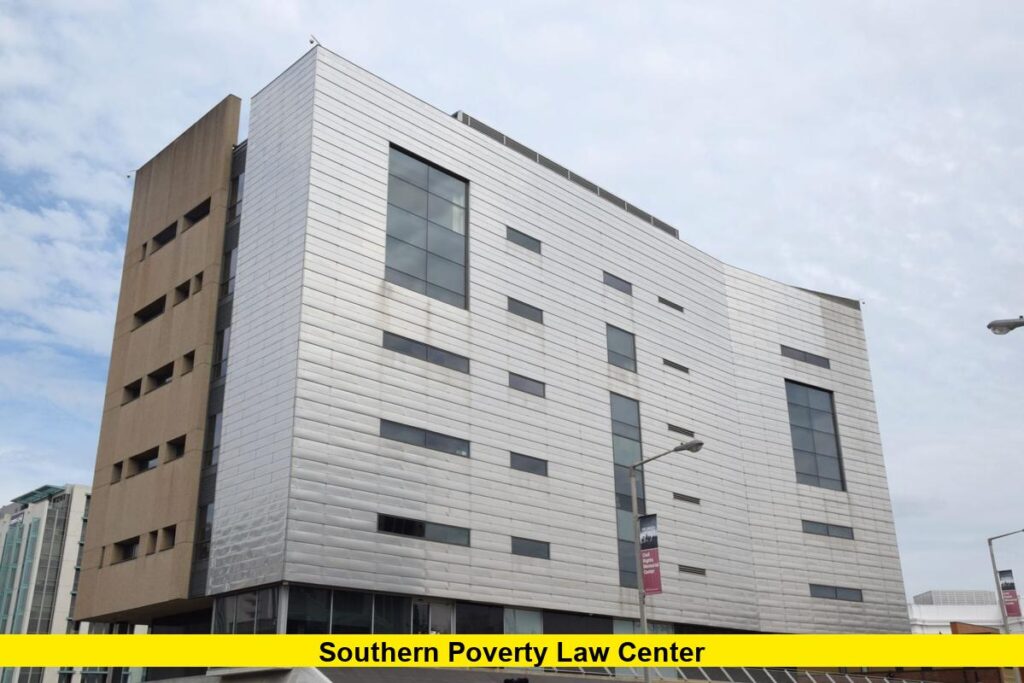
According to court filings, the organization allegedly directed more than $3 million between 2014 and 2023 to individuals connected to groups such as the Ku Klux Klan and neo-Nazi organizations. Prosecutors claim the funds were routed through shell companies and concealed financial accounts.
Authorities argue that donors were misled about how their contributions would be used. Instead of strictly funding efforts to combat extremism, prosecutors allege that some of the money supported individuals actively participating in those same groups.
Why Informants Are at the Center of the Case
The core issue in the case revolves around the SPLC’s use of paid informants. The organization has acknowledged that it previously used confidential sources to gather intelligence on violent extremist networks.
Leadership has stated that these informants played a critical role in monitoring threats and preventing potential acts of violence. Information collected through these channels was often shared with law enforcement agencies, according to the organization.
However, prosecutors argue that the program crossed legal boundaries by failing to disclose the payments and by allegedly allowing informants to continue engaging in extremist activities while receiving funds.
This distinction—between intelligence gathering and financial support—is now central to the legal battle.
A Defining Moment for the Founder’s Legacy
As the case unfolds, attention has turned to Morris Dees, the southern poverty law center founder who helped establish the organization in 1971.
Dees built the SPLC with a focus on civil rights litigation, particularly in the American South. The organization gained national recognition for successfully suing white supremacist groups and dismantling segregation-era systems.
Over time, the SPLC expanded its mission to include tracking hate groups and publishing reports on extremist activity through its Intelligence Project.
The current case raises questions about how far the organization’s investigative methods evolved from its original mission—and whether those methods remained aligned with its founding principles.
How the SPLC Is Responding
The Southern Poverty Law Center has strongly denied wrongdoing and is preparing a legal defense.
Officials argue that the use of informants was a necessary and widely accepted tactic in monitoring dangerous groups. They maintain that the goal was always to protect lives and gather actionable intelligence.
The organization also states that the informant program has been discontinued and that its work continues to focus on civil rights advocacy, education, and legal action.
Leadership has described the charges as politically driven, pointing to long-standing criticism from certain political groups over the SPLC’s designation of organizations as hate groups.
Political Fallout and National Debate
The indictment has intensified an already heated national debate over the role of advocacy organizations, government oversight, and political influence.
Supporters of the charges argue that nonprofits must be transparent about how they use donor funds, especially when engaging in covert operations.
Critics, however, see the case as part of a broader effort to challenge organizations that track extremism and hold controversial groups accountable.
The divide reflects deeper disagreements about free speech, political labeling, and the boundaries of investigative work in a democratic society.
Impact on Civil Rights Organizations Nationwide
Legal experts say the outcome of this case could have far-reaching consequences for nonprofits across the country.
If the government’s case succeeds, organizations may face stricter rules on how they conduct investigations and use confidential sources. This could limit the ability of advocacy groups to infiltrate extremist networks.
At the same time, a ruling in favor of the SPLC could reinforce the legitimacy of using informants in high-risk investigations, especially when public safety is involved.
Either way, the case is expected to set a significant precedent for how nonprofit organizations operate in sensitive and potentially dangerous environments.
Historical Context: The SPLC’s Evolution
Since its founding in 1971, the Southern Poverty Law Center has played a major role in civil rights enforcement in the United States.
Early victories included landmark lawsuits that financially crippled white supremacist organizations and provided justice for victims of hate crimes.
In later years, the organization became widely known for its annual reports on hate groups and its influence on public discussions around extremism.
However, it has also faced criticism for its classification methods and political influence, with some groups arguing that the SPLC’s labels have been overly broad.
The current legal case adds a new chapter to this complex history.
What Happens Next in the Case
The legal process is expected to unfold over an extended period, with both sides preparing detailed arguments.
Prosecutors will need to prove that the SPLC knowingly misled donors and engaged in fraudulent financial practices. Meanwhile, the organization’s defense will likely focus on the intent behind its actions and the role of informants in preventing violence.
The case could involve extensive evidence, including financial records, internal communications, and testimony from individuals connected to the informant program.
As the proceedings move forward, each development will be closely watched for its broader implications.
Why This Story Matters Right Now
This case represents a critical moment for how the United States approaches the fight against extremism.
It raises fundamental questions about accountability, transparency, and the methods used to track and counter hate groups.
It also highlights the tension between security and ethics—particularly when organizations operate in high-risk environments where traditional approaches may not be sufficient.
For many Americans, the outcome will influence how they view not only the Southern Poverty Law Center but also the broader network of organizations working to address extremism and protect civil rights.
Looking Ahead
The coming months will be crucial in determining how this case reshapes the landscape of nonprofit advocacy and civil rights work.
As legal arguments unfold and more details emerge, the story will continue to evolve, offering new insights into the intersection of law, politics, and public accountability.
Stay engaged and keep following developments to understand how this case may impact the future of civil rights efforts in the United States.
What are your thoughts on this case and its impact on civil rights organizations? Share your perspective and stay tuned for the latest updates.