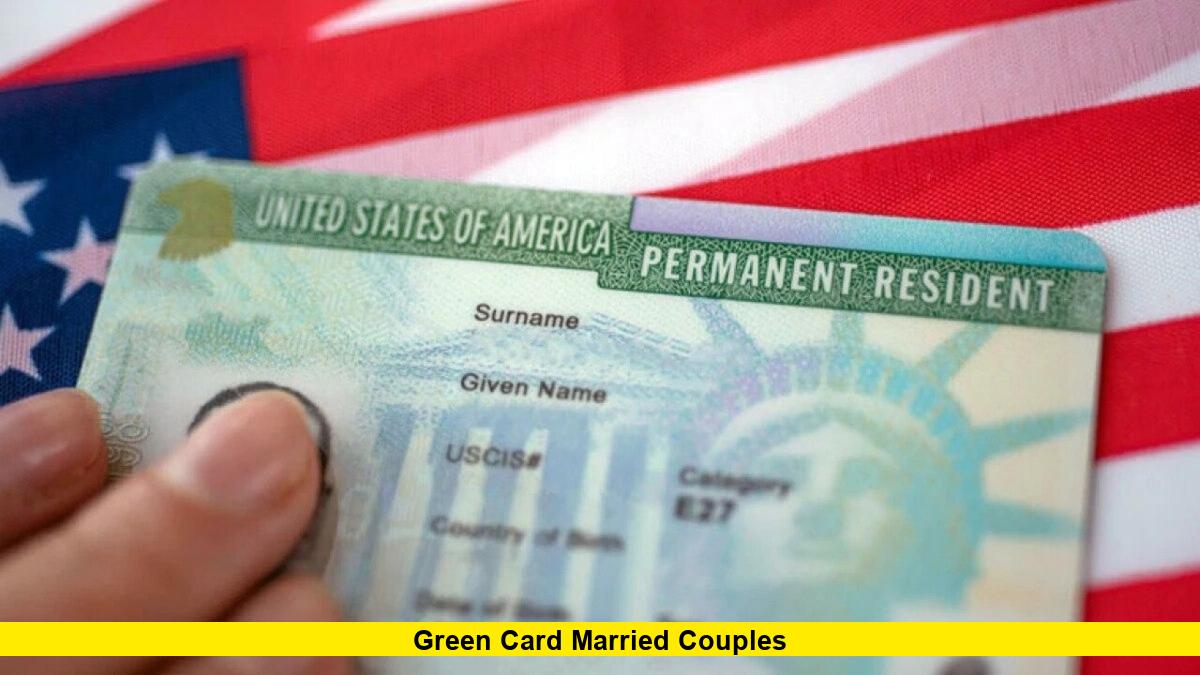
Marriage-based immigration in the United States is undergoing some of its biggest procedural changes in years. For Green Card Married Couples, new USCIS policies, stricter interviews, and increased scrutiny are creating uncertainty for families applying for permanent residency.
Several developments announced in May 2026 are already drawing legal challenges and strong reactions from immigration attorneys across the country. Couples planning to apply for a marriage green card now face a very different process compared to previous years.
The Biggest Change: Adjustment of Status Restrictions
The most significant immigration update arrived on May 22, 2026, when USCIS announced a major policy shift affecting adjustment of status applications. Under the new guidance, many applicants seeking green cards may now be required to return to their home countries and complete the process through consular processing instead of applying from inside the United States.
For years, many spouses of U.S. citizens were able to remain in America while their marriage green card applications were processed. The new policy dramatically changes that expectation for many couples.
Immigration experts warn the policy could impact:
- Married couples currently living together in the U.S.
- Families with pending adjustment applications
- Applicants on work or student visas
- Mixed-status households
The Department of Homeland Security stated the policy is intended to restore immigration procedures “as the law intended.” Critics argue it could separate families and create major processing disruptions.
Date of the Latest Immigration Changes
Here are the most important recent dates affecting Green Card Married Couples:
| Date | Immigration Change |
|---|---|
| May 22, 2026 | USCIS announces new adjustment of status restrictions |
| May 22, 2026 | USCIS memo describes adjustment of status as “extraordinary” relief |
| April 14, 2026 | USCIS updates May 2026 adjustment filing charts |
| Early 2026 | Expanded fraud screening and stricter marriage review procedures reported |
| Late 2025 into 2026 | USCIS tightened marriage green card filing procedures and documentation standards |
Marriage Green Card Interviews Are Becoming Tougher
Immigration attorneys report that USCIS is now requiring more in-person interviews for marriage-based green card applications. Some legal experts say nearly all marriage green card cases in 2026 now require interviews.
Couples may face detailed questioning about:
- Relationship History
- How and where the couple first met
- When the relationship became serious
- Proposal details and engagement timeline
- Wedding planning and ceremony information
- Trips, vacations, and important relationship milestones
- Interactions with each other’s families and friends
- Dates of major life events spent together
- Shared Finances
- Joint bank account activity and spending habits
- Shared rent, mortgage, or utility payments
- Tax returns filed together as a married couple
- Shared insurance policies and beneficiaries
- Credit cards, loans, and financial responsibilities
- Evidence of combined financial planning or savings
- Documentation showing long-term financial commitment
- Living Arrangements
- Current home address and housing details
- Length of time living together
- Description of the home layout and bedrooms
- Household responsibilities and chores
- Furniture, belongings, and shared living spaces
- Lease agreements or property ownership records
- Daily home routines and schedules
- Daily Routines
- Morning and evening schedules
- Work hours and commuting routines
- Meal habits and cooking responsibilities
- Weekend activities and hobbies together
- How the couple spends free time
- Communication habits throughout the day
- Family gatherings, holidays, and celebrations
- Future Plans
- Long-term relationship goals
- Plans to buy a home together
- Career and relocation discussions
- Future travel or vacation plans
- Financial goals and investments
- Family planning and discussions about children
- Educational or business plans as a couple
Officers are also paying closer attention to inconsistencies in applications and interviews.
Increased Scrutiny of Relationship Evidence
USCIS is reportedly reviewing marriage evidence more aggressively in 2026.
Couples are now encouraged to submit stronger documentation, including:
- Joint Bank Accounts
- Shared checking or savings account statements
- Regular transactions made by both spouses
- Evidence of shared financial responsibilities
- Debit or credit cards connected to the same account
- Long-term banking activity showing an ongoing relationship
- Shared Leases or Mortgages
- Apartment lease agreements listing both spouses
- Mortgage documents with both names included
- Proof of shared rent or home payments
- Utility bills connected to the shared residence
- Official mail delivered to the same address
- Travel Records
- Flight tickets and boarding passes
- Hotel reservations booked together
- Passport stamps from shared trips
- Vacation photos from different locations
- Travel itineraries showing joint travel plans
- Family Photos
- Wedding photographs with family members
- Holiday and birthday celebration pictures
- Photos taken over different periods of the relationship
- Group pictures with relatives and friends
- Casual day-to-day photos showing shared experiences
- Communication History
- Text messages and chat conversations
- Call logs between spouses
- Emails exchanged during the relationship
- Social media interactions and shared posts
- Communication records during periods spent apart
- Insurance Documents
- Health insurance policies listing both spouses
- Life insurance beneficiary records
- Auto insurance with shared coverage
- Home or renter’s insurance documents
- Employer benefit records showing spousal coverage
- Tax Filings
- Joint federal and state tax returns
- IRS transcripts showing married filing status
- W-2 or income documents connected to shared filings
- Proof of consistent yearly joint filing
- Tax documents demonstrating combined financial responsibilities
Recent marriages filed shortly after weddings may receive additional scrutiny, although approval is still possible with strong evidence.
Processing Times Continue to Rise for Marriage Green Card Applications
Marriage-based green card processing times remain a major concern for Green Card Married Couples in 2026. Across multiple immigration categories, applicants are facing longer waiting periods due to USCIS backlogs, expanded security reviews, increased interview requirements, and higher application volumes.
Current immigration estimates suggest that Form I-130 petitions are taking roughly 9 to 13 months in many cases. Applicants filing for adjustment of status inside the United States are often experiencing timelines of approximately 8 to 16 months, while some family-based immigration categories continue extending beyond two years.
Consular processing cases may take even longer depending on the U.S. embassy or consulate handling the application. Delays involving medical exams, interview scheduling, and National Visa Center document review are also affecting processing times for many couples living outside the United States.
Several factors are contributing to the longer timelines. USCIS officers are now conducting more detailed fraud screening, additional background checks, and expanded reviews of relationship evidence. More marriage-based applicants are also being required to attend in-person interviews, adding further pressure on already busy immigration offices.
Visa bulletin changes and filing chart adjustments are creating additional uncertainty for some applicants, especially spouses of lawful permanent residents. Priority date movement, annual visa caps, and country-specific demand can all affect how quickly a case moves forward.
The delays are creating financial and emotional stress for many families. Some applicants are waiting longer for work permits, travel authorization, and final green card approval while remaining uncertain about future immigration status.
Immigration experts recommend that couples submit complete applications, organize supporting documents carefully, respond quickly to USCIS requests, and monitor visa bulletin updates regularly. In 2026, thorough preparation has become more important than ever as marriage green card timelines continue to rise across the immigration system.
More Security Checks and Requests for Evidence
USCIS is applying stricter screening procedures for marriage-based green card applications in 2026. Many Green Card Married Couples are now facing deeper background checks, closer identity verification reviews, additional Requests for Evidence (RFEs), and heavier financial sponsorship scrutiny during the application process.
USCIS officers are paying closer attention to household income, assets, debts, and the accuracy of Affidavit of Support forms in 2026.
Background Checks
Immigration officers are conducting more detailed reviews of applicants’ immigration history, travel records, visa usage, and prior filings.
Cases involving overstays, prior immigration violations, or criminal records may receive additional scrutiny and longer processing times.
Identity Verification Reviews
USCIS is carefully reviewing passports, birth certificates, marriage certificates, and biometric records to confirm applicant identities.
Even small inconsistencies in names, addresses, or personal information across documents can trigger delays or requests for clarification.
Requests for Evidence (RFEs)
More applicants are receiving RFEs asking for updated relationship evidence, corrected forms, financial records, or additional supporting documents.
Delayed or incomplete responses may significantly slow down the green card approval process.
Financial Sponsorship Scrutiny
Sponsors must clearly prove they meet income requirements through tax returns, pay stubs, and employment verification.
What Has Not Changed
Despite a stricter immigration environment and increased scrutiny of some family-based applications, several core protections and benefits for married couples seeking permanent residency in the United States remain firmly in place.
- Same-sex married couples continue to enjoy the same immigration rights as opposite-sex couples. U.S. immigration law recognizes legally valid marriages regardless of gender, allowing eligible spouses to apply for green cards and other immigration benefits on equal terms.
- Spouses of U.S. citizens are still classified as immediate relatives. This important category is not subject to annual visa caps, which means eligible applicants can generally continue the green card process without waiting for a visa number to become available.
- Conditional two-year green cards remain the standard for newer marriages. Couples who have been married for less than two years when permanent residency is approved will typically receive conditional resident status and must later file to remove those conditions by demonstrating that their marriage is genuine.
- The pathway to U.S. citizenship through marriage remains unchanged. Green card holders married to and living with a U.S. citizen may still qualify to apply for naturalization after three years of permanent residency, provided they meet all other eligibility requirements, including continuous residence and good moral character.
While application procedures and enforcement priorities may evolve, these longstanding protections continue to provide a stable foundation for married couples pursuing family-based immigration benefits in 2026.
What Green Card Married Couples Should Do Now
As immigration policies and enforcement practices continue to evolve in 2026, married couples pursuing a green card should take proactive steps to strengthen their applications and avoid unnecessary delays. Careful preparation can make a significant difference throughout the process.
- Collect detailed relationship evidence. Couples should maintain records that demonstrate a genuine marriage, including joint bank accounts, lease agreements, insurance policies, tax returns, photographs, travel records, and other documents showing a shared life together.
- Submit complete and accurate applications. Even minor mistakes, missing documents, or inconsistencies can lead to requests for additional evidence, processing delays, or increased scrutiny. Reviewing all forms carefully before filing is essential.
- Prepare thoroughly for immigration interviews. Applicants should be ready to answer questions about their relationship, living arrangements, family life, and future plans. Consistent and truthful responses help establish the legitimacy of the marriage.
- Stay updated on USCIS policy changes. Immigration procedures, filing requirements, and processing guidelines can change over time. Regularly checking official updates can help couples avoid surprises and ensure compliance with current rules.
- Seek professional legal guidance when necessary. Couples with prior visa overstays, criminal records, previous immigration petitions, removal proceedings, or other complex circumstances may benefit from advice from a qualified immigration attorney.
Because immigration policies continue to evolve rapidly, staying informed, organized, and prepared is more important than ever for couples navigating the marriage-based green card process in 2026.
Final Thoughts
The immigration landscape for Green Card Married Couples has changed significantly in 2026. New USCIS policies, stricter interview standards, and increased scrutiny are reshaping the marriage green card process for thousands of families across the United States.
While many legal experts expect court challenges and further policy developments, couples should prepare for a more demanding immigration process moving forward.
FAQS
Q: What immigration changes are affecting green card married couples in 2026?
A: Several immigration updates in 2026 have affected marriage-based green card applicants, including revised processing procedures, enhanced document verification, and closer review of relationship evidence.
Q: Can a U.S. citizen still sponsor a spouse for a green card in 2026?
A: Yes. U.S. citizens can continue to sponsor their spouses for permanent residency through the marriage-based green card process.
Q: Can a green card holder sponsor a spouse in 2026?
A: Yes. Lawful permanent residents may sponsor their spouses, although visa availability and waiting periods may vary compared to cases involving U.S. citizens.
Q: Have green card processing times changed in 2026?
A: Processing times depend on the type of application, workload, and case complexity. Some applicants may experience delays due to increased verification and review requirements.
Q: Are marriage interviews still required?
A: Many applicants are still required to attend an interview, but certain cases may qualify for an interview waiver if they meet eligibility standards and provide strong supporting documentation.
Q: What documents help prove a genuine marriage?
A: Common evidence includes joint bank accounts, tax returns, leases or mortgages, insurance policies, utility bills, photographs, travel records, and other documents showing a shared life together.
Q: What happens if a couple has been married for less than two years when the green card is approved?
A: The immigrant spouse generally receives a conditional green card valid for two years and must later apply to remove the conditions.
Q: What is a Request for Evidence (RFE)?
A: An RFE is a notice asking applicants to provide additional documents or information before a final decision can be made on the case.
Q: Can a marriage-based green card application be denied?
A: Yes. Applications can be denied if eligibility requirements are not met, required evidence is missing, or officials determine that the marriage is not bona fide.
Q: Are same-sex married couples eligible for the same immigration benefits?
A: Yes. Same-sex married couples receive the same immigration benefits and are subject to the same requirements as opposite-sex married couples.
Q: Do these changes affect existing green card holders?
A: Most updates primarily affect new applicants and pending cases, though current green card holders should remain aware of policy changes that could affect their status or future filings.
Q: How can couples improve their chances of approval?
A: Couples should submit complete applications, provide strong evidence of a genuine relationship, respond quickly to government requests, and ensure all information is accurate and consistent.
Q: Is hiring an immigration attorney mandatory?
A: No. Legal representation is not required, but professional assistance can be helpful for complex cases or situations involving additional immigration concerns.
Q: Where can couples find reliable information about immigration updates?
A: Official government immigration announcements, policy updates, and processing-time reports remain the most reliable sources for current information.
Are these new marriage green card changes affecting your family or immigration plans? Share your experience in the comments and stay updated as USCIS policies continue to evolve.
1 thought on “Green Card Married Couples Face Major Immigration Changes in 2026”