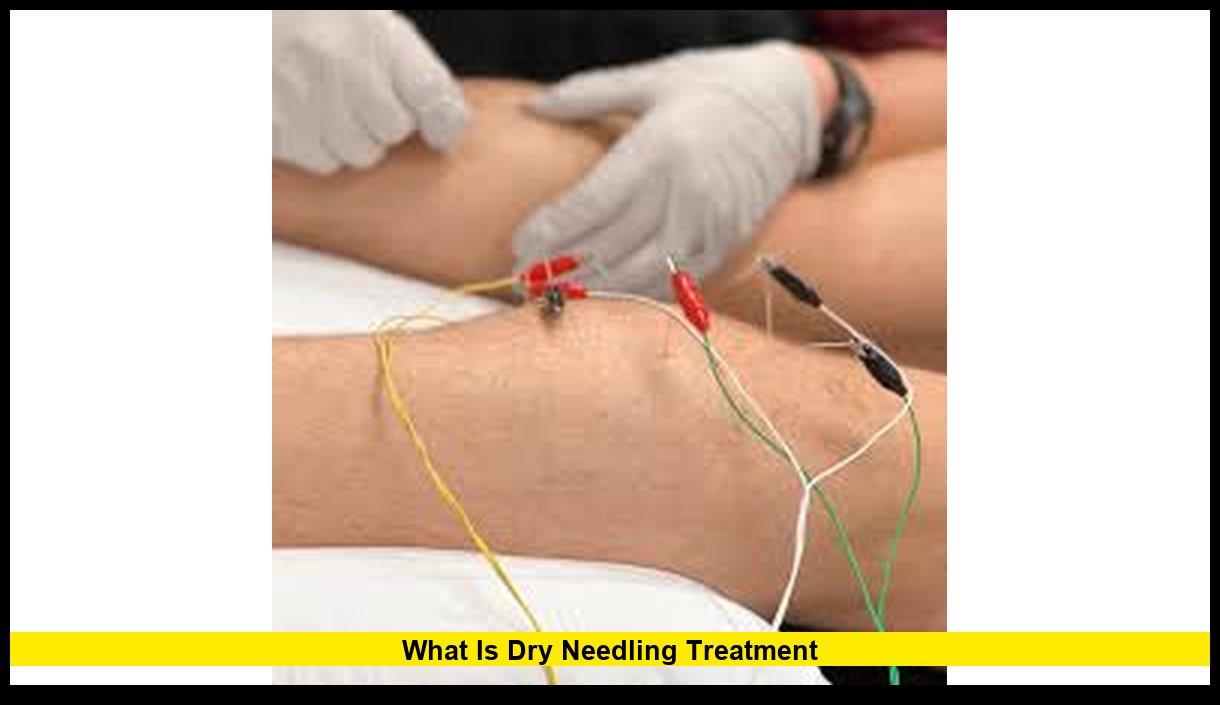
What is dry needling treatment has become a widely discussed topic in U.S. healthcare as physical therapists increasingly use it to manage muscle pain and movement problems. As of today, dry needling is a recognized clinical technique in many states, used within defined professional guidelines and supported by current clinical research.
Understanding Dry Needling Treatment
Dry needling treatment is a procedure in which a trained healthcare professional inserts very thin, solid needles into specific muscle areas. These areas are commonly called trigger points. The needles do not inject medication, which is why the method is described as “dry.”
In the United States, licensed physical therapists most often perform dry needling. Some chiropractors and medical doctors may also provide it, depending on state law. Regulations vary by state, and practitioners must meet education and competency requirements before offering this treatment.
How Dry Needling Works in the Body
Dry needling targets tight or dysfunctional muscle fibers that can contribute to pain, weakness, or restricted movement. When the needle reaches a trigger point, a brief muscle twitch may occur. This response is common and considered part of the therapeutic effect.
Dry needling may help by:
- Reducing excessive muscle tension
- Improving local blood circulation
- Decreasing pain-related nerve signals
- Supporting normal muscle movement patterns
Some people feel relief after one session, while others need multiple treatments.
Conditions Commonly Treated With Dry Needling
In U.S. clinical practice, dry needling is used for specific musculoskeletal conditions rather than general wellness care. It is commonly included as part of a structured physical therapy plan.
Conditions frequently addressed include:
- Neck and lower back pain
- Shoulder pain and limited mobility
- Knee pain related to muscle imbalance
- Sciatic-type symptoms linked to muscle tightness
- Sports injuries involving overused muscles
- Tension headaches associated with neck muscles
Dry needling is rarely used alone and is most effective when combined with exercise and movement therapy.
Dry Needling vs. Acupuncture
Although dry needling and acupuncture both use thin needles, they are not the same treatment. Their purposes, training standards, and clinical frameworks differ.
| Feature | Dry Needling | Acupuncture |
|---|---|---|
| Medical Basis | Western medicine | Traditional Eastern medicine |
| Treatment Focus | Muscles and trigger points | Energy pathways |
| Common Providers | Physical therapists | Licensed acupuncturists |
| Primary Goal | Pain relief and mobility | Overall balance |
In the U.S., the needles used for dry needling are sterile, single-use medical devices.
What to Expect During a Dry Needling Session
A session usually begins with a physical evaluation. The provider identifies problem muscles through movement testing and manual assessment.
During the procedure:
- The skin is cleaned before needle placement
- Needles are inserted quickly and precisely
- A brief muscle twitch may occur
- Sensations range from mild pressure to short discomfort
Most sessions last between 10 and 30 minutes, depending on the treatment area.
Safety and Side Effects
Dry needling is considered safe when performed by a properly trained professional. Providers follow strict safety standards, including sterile technique and detailed anatomical training.
Possible short-term effects include:
- Muscle soreness
- Minor bruising
- Temporary fatigue
Serious complications are uncommon when clinical guidelines are followed. Patients should always share medical history and current medications before treatment.
Who May Not Be a Good Candidate
Dry needling is not appropriate for every patient. Providers screen carefully to ensure safety and effectiveness.
Treatment may be avoided or postponed in cases involving:
- Bleeding disorders
- Active skin infections near the treatment area
- Certain immune system conditions
- Strong fear of needles
A licensed clinician can determine suitability on an individual basis.
Training and Regulation in the United States
State regulations determine who can perform dry needling and under what conditions. Many states allow physical therapists to offer it after completing advanced post-graduate training.
Requirements often include:
- Documented education hours
- Demonstrated clinical competency
- Ongoing continuing education
Patients can confirm a provider’s licensure and training through state boards.
What Current Research Indicates
Ongoing research supports the use of dry needling for short-term pain reduction and functional improvement in select musculoskeletal conditions. Evidence shows it works best when integrated with therapeutic exercise and movement retraining.
Dry needling is not a cure. It is one tool used within evidence-based rehabilitation programs.
Cost and Insurance Coverage
Insurance coverage varies by provider and health plan. Many insurers cover dry needling when it is billed as part of physical therapy services. Some plans require prior approval.
Out-of-pocket costs depend on location, provider, and session length. Patients are encouraged to ask about fees in advance.
Why Dry Needling Continues to Gain Attention
Dry needling remains a growing part of modern rehabilitation due to its practical application and integration into physical therapy care. Clearer regulations and continued research are shaping how it is used across the United States.
Have you tried this therapy or are you considering it? Share your thoughts below and stay updated as this treatment continues to evolve.