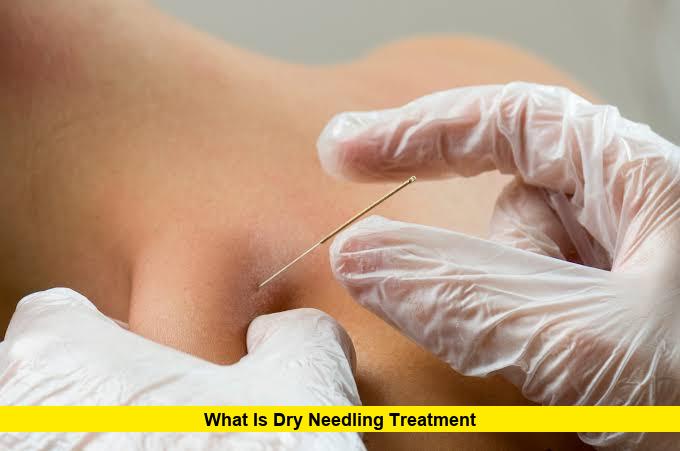
What is dry needling treatment has become a widely discussed topic in U.S. healthcare as physical therapists increasingly use it to manage muscle pain and movement problems. As of today, dry needling is a recognized clinical technique in many states, used within defined professional guidelines and supported by current clinical research.
Understanding Dry Needling Treatment
Dry needling treatment is a specialized therapeutic technique used to relieve muscle pain, reduce tension, and improve movement. During the procedure, a trained healthcare professional inserts very thin, sterile, solid filament needles into specific areas of muscle known as trigger points or tight muscle bands. Unlike injections, these needles do not deliver medication or any other substance, which is why the technique is referred to as “dry” needling.
The goal of dry needling is to stimulate the affected muscle, encourage it to relax, improve blood flow, and help restore normal function. Many patients experience reduced pain, increased flexibility, and better range of motion after treatment, although individual results vary depending on the underlying condition and overall treatment plan.
In the United States, dry needling is most commonly performed by licensed physical therapists who have completed specialized training in the technique. In some states, chiropractors, physicians, osteopathic doctors, and other qualified healthcare professionals may also be authorized to perform dry needling, depending on state laws and licensing regulations. Because the rules governing dry needling differ across the country, practitioners must meet state-specific education, competency, and certification requirements before offering the treatment.
Dry needling is often incorporated into a broader rehabilitation program that may also include stretching, strengthening exercises, manual therapy, posture correction, and patient education to address the underlying cause of pain rather than simply treating the symptoms.
How Dry Needling Works in the Body
Dry needling targets trigger points—tight, sensitive knots within muscles that can contribute to pain, stiffness, weakness, and restricted movement. These trigger points often develop from overuse, injury, poor posture, or repetitive strain. By inserting a thin needle directly into the affected muscle, the practitioner aims to release muscle tension and restore normal function.
When the needle reaches a trigger point, it may cause a brief, involuntary muscle contraction known as a local twitch response. This reaction is common and is generally considered a normal part of the treatment. The twitch may help relax the muscle, reduce tightness, and improve its ability to contract and function normally.
Research suggests that dry needling may help by:
- Reducing excessive muscle tension and tightness
- Improving local blood circulation and oxygen delivery to the affected tissue
- Decreasing pain-related nerve signals and reducing sensitivity
- Supporting normal muscle movement patterns and joint mobility
- Enhancing the body’s natural healing response in irritated muscle tissue
Many people notice reduced pain and improved mobility after a single session, while others benefit from a series of treatments, particularly for chronic or longstanding conditions. The number of sessions needed depends on factors such as the severity of symptoms, the underlying cause of the problem, and the individual’s response to treatment. Dry needling is typically most effective when combined with other rehabilitation strategies, such as stretching, strengthening exercises, and movement training.
Conditions Commonly Treated With Dry Needling
In the United States, dry needling is primarily used to treat musculoskeletal pain and movement disorders rather than as a general wellness therapy. Healthcare providers often incorporate it into a comprehensive rehabilitation program that includes therapeutic exercise, manual therapy, stretching, posture correction, and movement retraining. The goal is not only to relieve pain but also to improve muscle function and address the underlying cause of the condition.
Dry needling is commonly used to help manage:
- Neck pain and muscle stiffness
- Lower back pain associated with tight or overactive muscles
- Shoulder pain, including reduced range of motion and muscle dysfunction
- Knee pain related to muscle imbalance or overuse
- Sciatic-type symptoms caused by tight muscles that irritate nearby nerves
- Sports injuries, such as muscle strains, tendon overuse, and repetitive stress injuries
- Tension headaches linked to tight muscles in the neck and shoulders
- Hip pain, including discomfort related to muscular trigger points
- Tennis elbow (lateral epicondylitis) and other overuse conditions affecting the forearm
- Plantar fasciitis, particularly when calf and foot muscles contribute to symptoms
- Jaw pain (temporomandibular disorders or TMD) associated with muscle tension
- Myofascial pain syndrome, a chronic condition characterized by painful trigger points in muscles
Dry needling is generally not used as a standalone treatment. Evidence suggests it is most effective when combined with an individualized rehabilitation program that includes strengthening exercises, flexibility training, movement education, and other physical therapy techniques. This comprehensive approach helps improve long-term function, reduce the likelihood of recurring symptoms, and support recovery from both acute and chronic musculoskeletal conditions.
Dry Needling vs. Acupuncture
Although dry needling and acupuncture both use thin needles, they are not the same treatment. Their purposes, training standards, and clinical frameworks differ.
| Feature | Dry Needling | Acupuncture |
|---|---|---|
| Medical Basis | Western medicine | Traditional Eastern medicine |
| Treatment Focus | Muscles and trigger points | Energy pathways |
| Common Providers | Physical therapists | Licensed acupuncturists |
| Primary Goal | Pain relief and mobility | Overall balance |
In the U.S., the needles used for dry needling are sterile, single-use medical devices.
What to Expect During a Dry Needling Session
A dry needling session typically begins with a comprehensive evaluation by your healthcare provider. They will review your medical history, discuss your symptoms, assess your posture and movement patterns, and examine the affected muscles and joints. Using movement tests and manual palpation, the provider identifies trigger points and other areas of muscle dysfunction that may be contributing to your pain or limited mobility.
During the procedure, you can generally expect the following:
- The treatment area is cleaned using standard infection-control procedures before the needles are inserted.
- Very thin, sterile, single-use needles are placed quickly and precisely into targeted muscles or trigger points.
- When a needle reaches a trigger point, you may experience a brief local twitch response, which is an involuntary muscle contraction and a common part of the treatment.
- Sensations vary from person to person. Some people feel little more than mild pressure, while others experience a brief aching, cramping, or dull discomfort that typically lasts only a few seconds.
- The needles may be removed immediately after insertion or left in place for several minutes, depending on the treatment approach and the condition being treated.
- A typical dry needling session lasts 10 to 30 minutes, although the exact duration depends on the number of muscles treated and your individualized treatment plan.
After the session, it is common to experience mild muscle soreness, tenderness, or temporary fatigue for 24 to 48 hours, similar to how muscles may feel after exercise. Many providers recommend staying hydrated, performing gentle stretching or light movement, and following any prescribed rehabilitation exercises to help maximize the benefits of treatment and support recovery.
Safety and Side Effects
Dry needling is generally considered safe when performed by a qualified healthcare professional who has completed specialized training and follows established clinical guidelines. Licensed providers use sterile, single-use needles, maintain strict infection-control practices, and rely on detailed knowledge of human anatomy to reduce the risk of complications. Before beginning treatment, they also evaluate whether dry needling is appropriate based on your medical history, symptoms, and overall health.
Like many medical procedures, dry needling can cause temporary side effects, most of which are mild and resolve within a day or two. Common short-term effects include:
- Mild muscle soreness or aching at the treatment site
- Minor bruising or slight bleeding where the needle was inserted
- Temporary fatigue or a feeling of muscle heaviness
- Brief tenderness or stiffness after the session
Less commonly, some people may experience lightheadedness, dizziness, or fainting during or shortly after treatment. Serious complications—such as infection or accidental injury to underlying structures—are rare when dry needling is performed by a properly trained practitioner using appropriate techniques and safety protocols.
Before receiving dry needling, patients should inform their healthcare provider about their complete medical history, including any bleeding disorders, pregnancy, implanted medical devices, allergies, recent surgeries, or current medications, especially blood thinners. Sharing this information helps the provider determine whether dry needling is appropriate and allows the treatment plan to be tailored for maximum safety.
Who May Not Be a Good Candidate
Although dry needling is safe for many people, it is not appropriate for everyone. Before recommending treatment, a qualified healthcare provider reviews your medical history, current health status, and the specific condition being treated to determine whether dry needling is a safe and effective option.
Dry needling may be avoided, postponed, or require special precautions in people with:
- Bleeding disorders or conditions that increase the risk of excessive bleeding
- Use of blood-thinning medications, depending on the treatment area and individual risk
- Active skin infections, open wounds, or rashes near the intended treatment site
- Certain immune system conditions or serious illnesses that may affect healing
- Pregnancy, particularly when avoiding specific treatment areas
- Severe needle phobia or an inability to tolerate the procedure
- Lymphedema or areas where needling could increase the risk of complications
Dry needling is not automatically ruled out in every situation listed above, but it may require modifications or may not be recommended based on an individual’s overall health and risk factors. A licensed healthcare professional can evaluate each case, discuss potential benefits and risks, and determine whether dry needling is an appropriate part of the treatment plan.
Training and Regulation in the United States
Dry needling is regulated at the state level, meaning the laws governing who can perform the procedure and under what circumstances vary across the United States. In many states, licensed physical therapists are permitted to provide dry needling after completing specialized post-professional education and demonstrating competency. Depending on state regulations, other licensed healthcare professionals—such as physicians, osteopathic physicians, or chiropractors—may also be authorized to perform dry needling within the scope of their practice.
To ensure patient safety, practitioners are generally expected to meet professional standards that may include:
- Completion of documented education and hands-on training in dry needling techniques
- Demonstrated clinical competency through supervised instruction or skills assessment
- Thorough knowledge of human anatomy, neurovascular structures, and safe needling practices
- Compliance with state licensing requirements and professional standards of care
- Ongoing continuing education to maintain clinical skills and stay current with evolving best practices
Because licensing requirements differ by state, patients should verify that their provider is properly credentialed and authorized to perform dry needling. This information is typically available through the provider’s state licensing board or professional regulatory agency. Asking about a clinician’s training, experience, and certifications can also help patients make informed decisions before beginning treatment.
What Current Research Indicates
Current research suggests that dry needling can provide short-term pain relief and improve physical function for certain musculoskeletal conditions, particularly those involving myofascial trigger points and muscle-related pain. Studies have found that it may help reduce pain, increase range of motion, and improve muscle performance in some patients, especially when used as part of a comprehensive rehabilitation program.
Research indicates that dry needling may be beneficial for conditions such as chronic neck pain, shoulder pain, low back pain, knee pain, and certain sports-related muscle injuries. However, treatment outcomes can vary depending on the individual’s condition, the severity of symptoms, and the overall rehabilitation approach.
Evidence consistently shows that dry needling is most effective when combined with other evidence-based therapies, including:
- Therapeutic exercise and strengthening programs
- Stretching and flexibility training
- Manual therapy techniques
- Movement retraining and posture correction
- Patient education and activity modification
While many patients experience meaningful symptom relief, dry needling is not a cure for underlying musculoskeletal conditions. Instead, it serves as one component of a broader, evidence-based treatment plan designed to reduce pain, restore normal movement, improve function, and support long-term recovery. Ongoing research continues to evaluate the long-term effectiveness of dry needling, optimal treatment protocols, and which patients are most likely to benefit from the therapy.
Ad
Cost and Insurance Coverage
Insurance coverage varies by provider and health plan. Many insurers cover dry needling when it is billed as part of physical therapy services. Some plans require prior approval.
Out-of-pocket costs depend on location, provider, and session length. Patients are encouraged to ask about fees in advance.Cost and Insurance Coverage
The cost of dry needling treatment in the United States varies depending on factors such as the provider’s experience, geographic location, the type of healthcare facility, and the length of the treatment session. In some cases, dry needling is included as part of a broader physical therapy appointment, while other providers bill it as a separate service.
Insurance coverage also varies by health insurance company, individual policy, and state regulations. Many health plans may cover dry needling when it is considered medically necessary and performed as part of a prescribed physical therapy or rehabilitation program. However, some insurers classify dry needling as a non-covered service or require additional documentation before approving payment.
Patients may encounter requirements such as:
- Prior authorization or pre-approval before treatment begins
- A referral or prescription from a healthcare provider, depending on the insurance plan
- Copayments, coinsurance, or deductibles that apply to physical therapy services
- Limits on the number of covered therapy sessions each year
For individuals paying without insurance, out-of-pocket costs can vary based on the provider, clinic, region, and session duration. Some clinics charge a flat fee for dry needling, while others include it in the overall cost of a physical therapy visit.
Before scheduling treatment, it is a good idea to contact both your healthcare provider and your insurance company to confirm coverage, verify any authorization requirements, and obtain an estimate of any expected out-of-pocket expenses. This can help avoid unexpected costs and ensure you understand your financial responsibility before beginning treatment.
Why Dry Needling Continues to Gain Attention
Dry needling has become an increasingly recognized component of modern musculoskeletal rehabilitation because it offers a targeted approach to managing muscle pain, improving movement, and supporting recovery. As more healthcare providers receive specialized training and clinical research continues to expand, dry needling is being incorporated into evidence-based treatment plans for a variety of muscle and joint conditions.
One reason for its growing use is its integration with physical therapy and rehabilitation programs. Rather than serving as a standalone treatment, dry needling is commonly combined with therapeutic exercise, manual therapy, movement retraining, and patient education to address both symptoms and the underlying causes of pain and dysfunction.
Several factors continue to drive interest in dry needling across the United States, including:
- Growing research supporting its use for short-term pain relief and improved function in selected musculoskeletal conditions
- Increased adoption by licensed physical therapists and other qualified healthcare professionals
- Better understanding of myofascial pain, trigger points, and muscle dysfunction
- Continued refinement of clinical guidelines and treatment techniques
- Clearer state regulations defining provider qualifications, training requirements, and scope of practice
While dry needling is not a cure for chronic pain or musculoskeletal disorders, it has become an important tool within comprehensive rehabilitation programs. As additional high-quality research emerges and professional standards continue to evolve, dry needling is likely to remain a valuable option for helping appropriate patients reduce pain, restore mobility, and improve overall physical function.
FAQs
Is dry needling the same as acupuncture?
No. Although both techniques use thin needles, dry needling and acupuncture are based on different principles. Dry needling focuses on treating muscle trigger points and movement dysfunction using modern musculoskeletal science, while acupuncture is rooted in traditional Chinese medicine.
Does dry needling hurt?
Most people experience little to no pain when the needle is inserted. You may feel a brief muscle twitch, aching, or cramping sensation when a trigger point is reached. Mild soreness afterward is common and usually resolves within 24 to 48 hours.
How many dry needling sessions will I need?
The number of sessions varies depending on your condition, symptom severity, and response to treatment. Some people notice improvement after one session, while others benefit from several treatments as part of a comprehensive rehabilitation plan.
Is dry needling safe?
Yes. Dry needling is generally considered safe when performed by a licensed healthcare professional who has received appropriate training and follows sterile techniques and established clinical guidelines.
What conditions can dry needling help treat?
Dry needling is commonly used for musculoskeletal conditions such as neck pain, lower back pain, shoulder pain, sports injuries, tension headaches, myofascial pain syndrome, and muscle-related movement restrictions.
Who should avoid dry needling?
Dry needling may not be appropriate for people with certain bleeding disorders, active skin infections near the treatment area, severe needle phobia, or other medical conditions that increase treatment risks. A healthcare provider can determine whether it is suitable for you.
Does insurance cover dry needling?
Coverage depends on your health insurance plan and state regulations. Some insurers cover dry needling when it is provided as part of physical therapy, while others may not. Contact your insurance provider to verify your specific benefits.
How long does a dry needling session take?
Most appointments last between 10 and 30 minutes, depending on the number of muscles treated and whether dry needling is combined with other physical therapy services.
Are there any side effects?
The most common side effects are temporary muscle soreness, minor bruising, slight bleeding at the needle site, and mild fatigue. Serious complications are rare when the procedure is performed by a qualified practitioner.
Can dry needling cure chronic pain?
No. Dry needling is not a cure for chronic pain. It is a treatment technique that may help reduce pain and improve function when combined with therapeutic exercise, manual therapy, and other evidence-based rehabilitation strategies.
Have you tried this therapy or are you considering it? Share your thoughts below and stay updated as this treatment continues to evolve.