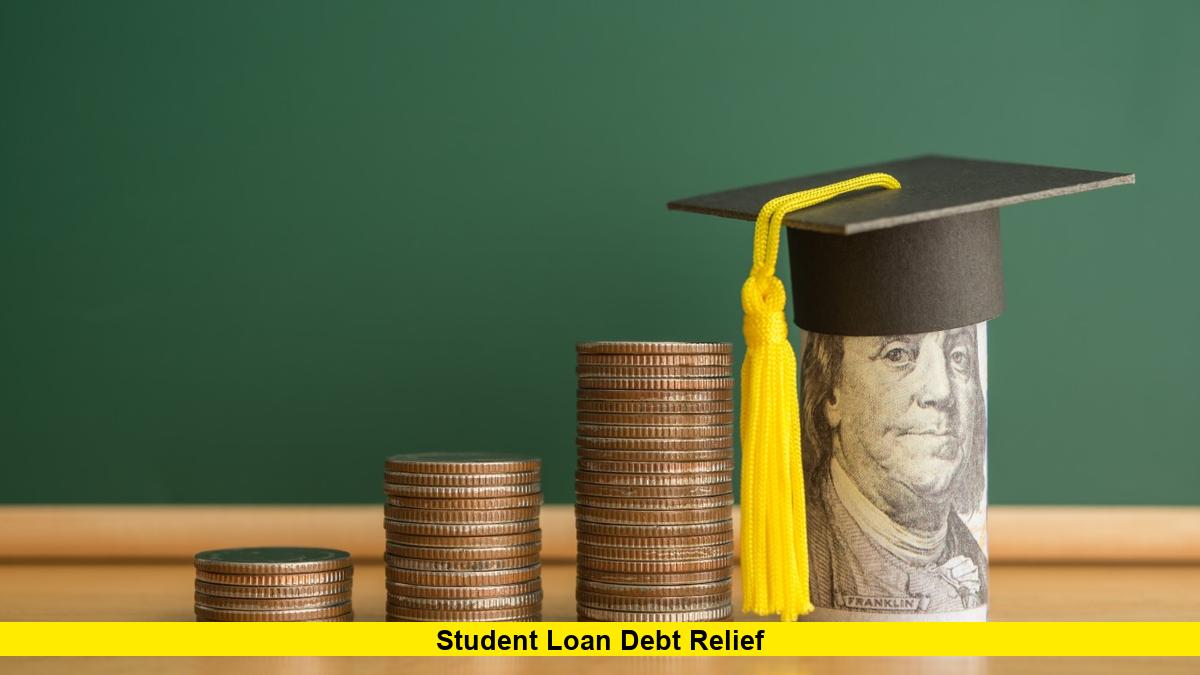
As of April 2026, student loan relief in the United States has evolved significantly, moving away from broad cancellation efforts toward more targeted and legally sustainable programs. While earlier Biden-era initiatives aimed to provide widespread forgiveness, current policies now emphasize structured repayment and limited relief options tied to specific eligibility criteria.
There is still no formal program to cancel private student loan debt, and strategies such as using student loans to pay off other obligations remain risky. This article explores the latest developments, available relief options, and practical steps borrowers should take in today’s changing financial landscape.
Overview of Student Loan Debt Cancellation
As of April 2026, student loan debt relief in the United States has moved away from broad, one-time cancellation proposals toward more targeted and legally sustainable programs. Earlier efforts under the Biden administration led to the cancellation of approximately $167 billion in student debt, benefiting around 4.75 million borrowers. However, the current policy environment places greater emphasis on structured, program-based relief rather than sweeping forgiveness initiatives.
Today, loan forgiveness is primarily delivered through established pathways such as Public Service Loan Forgiveness (PSLF) and long-term income-driven repayment (IDR) plans, which offer discharge after 20–25 years of qualifying payments. These programs remain critical lifelines for eligible borrowers but require strict compliance with eligibility criteria and consistent repayment history.
Recent legal and policy changes have also reduced the availability of more flexible repayment options, reinforcing a system that prioritizes repayment discipline alongside targeted relief. As a result, while meaningful debt cancellation has occurred, the overall approach in 2026 reflects a more controlled and selective strategy aimed at balancing borrower support with long-term financial sustainability.
Key Student Loan Relief Initiatives (Updated 2026)
Public Service Loan Forgiveness (PSLF):
PSLF remains a major relief program, offering full forgiveness to borrowers working in qualifying public service roles after 120 eligible payments. Recent reforms have improved accessibility and approval rates.
Income-Driven Repayment (IDR) Plans:
IDR plans continue to provide payment options based on income, with forgiveness available after 20–25 years. However, more generous plans introduced earlier have been rolled back, leaving fewer flexible repayment choices.
Targeted Debt Relief Programs:
Relief is available for specific groups, including borrowers defrauded by institutions, individuals with total and permanent disabilities, and long-term borrowers eligible for forgiveness.
Accountability for Educational Institutions:
Increased oversight of colleges—especially for-profit institutions—aims to protect students from high debt and low return on investment programs.
The Status of Private Student Loan Debt Cancellation
As of April 2026, there is still no federal program that provides cancellation or widespread forgiveness for private student loan debt. Unlike federal student loans, which are backed by the government, private loans are issued by banks and financial institutions, placing them outside the scope of federal relief initiatives.
Private student loans often come with higher interest rates, stricter repayment terms, and significantly fewer borrower protections. They typically do not offer income-driven repayment options or standardized forgiveness pathways, making them more challenging to manage during periods of financial hardship.
In the absence of government-backed relief, borrowers must rely on alternative strategies such as refinancing to secure lower interest rates, enrolling in lender-specific hardship or forbearance programs, or negotiating modified repayment terms directly with their lenders. However, these options vary widely and may not provide long-term relief.
While policy discussions and advocacy efforts continue to push for some form of private student loan relief, no concrete legislation or national program has been implemented as of 2026. As a result, private student loan debt remains one of the least protected and most difficult forms of consumer debt to resolve.
Using Student Loans to Pay Off Debt
Using student loans to pay off other debt is widely considered a high-risk financial strategy in 2026. While it may provide temporary relief—especially when dealing with high-interest obligations—it often leads to greater long-term financial strain by converting more flexible or dischargeable debt into student loan debt, which is significantly harder to eliminate.
Student loans, particularly federal ones, come with strict repayment obligations and limited discharge options, even in cases of financial hardship. Taking on additional student loan debt for non-educational purposes can increase total borrowing costs, extend repayment timelines, and reduce overall financial flexibility.
Another major risk arises when borrowers refinance federal student loans into private loans to manage debt. While refinancing may offer lower interest rates, it permanently removes access to key federal protections, including income-driven repayment plans, deferment options, and loan forgiveness programs such as Public Service Loan Forgiveness (PSLF).
Given the current policy environment—where relief options are more limited and structured—borrowers are strongly encouraged to consider safer alternatives. These may include budgeting strategies, debt consolidation (non-student loan), credit counseling, or negotiating repayment terms with existing creditors. Prioritizing long-term financial stability over short-term relief is essential when managing multiple forms of debt.
Current Student Loan Repayment Landscape (2026)
As of April 2026, the student loan system in the United States has fully returned to active repayment, with borrowers once again responsible for making regular monthly payments. All pandemic-era relief measures—including payment pauses and interest waivers—have ended, marking a complete transition back to standard repayment conditions.
Recent legal and policy changes have also reduced the availability of some borrower-friendly repayment options, limiting flexibility for those seeking lower monthly payments. As a result, many borrowers are now facing higher financial obligations and adjusting to stricter repayment structures.
This shift has increased the financial pressure on households, particularly amid rising living costs and economic uncertainty. In this environment, careful financial planning has become essential. Borrowers must stay informed about their repayment plans, monitor eligibility for relief programs, and take proactive steps to manage their debt effectively.
Overall, the 2026 repayment landscape reflects a more disciplined and structured approach, with fewer relief mechanisms and a stronger emphasis on consistent repayment.
Who Still Qualifies for Loan Forgiveness
As of April 2026, student loan forgiveness remains available, but it is now limited to specific programs with strict eligibility requirements. Borrowers must meet defined criteria and maintain consistent compliance to benefit from these relief options.
Public Service Loan Forgiveness (PSLF):
PSLF continues to provide full loan forgiveness for borrowers working in qualifying public service roles, including government and nonprofit organizations. Eligible borrowers must make 120 qualifying monthly payments under an approved repayment plan while maintaining eligible employment.
Income-Driven Repayment (IDR) Forgiveness:
Borrowers enrolled in income-driven repayment plans may qualify for forgiveness after 20 or 25 years of consistent payments, depending on the plan. While this offers a long-term path to relief, it requires sustained financial commitment over decades.
Total and Permanent Disability (TPD) Discharge:
Borrowers who are unable to work due to a qualifying disability may be eligible for a full discharge of their federal student loans, subject to documentation and verification requirements.
Borrower Defense to Repayment:
Individuals who were misled or defrauded by their educational institutions may apply for loan discharge through borrower defense claims. Approval depends on demonstrating that the school engaged in misconduct or violated certain standards.
While these programs continue to provide meaningful relief, they are highly structured and require careful attention to eligibility rules, documentation, and repayment history.
What Borrowers Should Do Now
In the evolving student loan landscape of 2026, borrowers must take a proactive and informed approach to managing their debt. With fewer flexible relief options available, strategic decision-making is essential to maintain long-term financial stability.
First, borrowers should thoroughly review their loan details, including outstanding balances, interest rates, loan types (federal vs. private), and current repayment plans. Understanding these fundamentals is critical to making informed financial choices.
Next, selecting the right repayment strategy is key. Borrowers should evaluate available plans—particularly income-driven repayment options—to ensure their monthly payments align with their income and long-term financial goals.
It is also important to actively track eligibility for forgiveness programs such as Public Service Loan Forgiveness (PSLF). This includes maintaining qualifying employment, making eligible payments, and submitting required documentation on time.
Equally crucial is avoiding high-risk financial decisions. Actions such as refinancing federal loans into private loans or taking on additional debt without a clear repayment strategy can lead to the loss of important protections and increased financial burden.
Ultimately, staying informed about policy changes, regularly monitoring loan status, and making careful, strategic decisions will help borrowers navigate the current repayment environment more effectively.
Common Mistakes to Avoid
In the 2026 student loan environment, even small missteps can lead to significant financial setbacks. Understanding and avoiding common mistakes is essential for maintaining long-term financial stability and preserving access to available relief programs.
Refinancing Federal Loans Too Early:
One of the most critical errors borrowers make is refinancing federal student loans into private loans without fully understanding the consequences. While refinancing may offer lower interest rates, it permanently eliminates access to federal protections such as income-driven repayment plans, deferment options, and loan forgiveness programs.
Missing Forgiveness Eligibility Requirements:
Programs like Public Service Loan Forgiveness (PSLF) have strict criteria, including qualifying employment, payment plans, and consistent payment history. Failing to meet any of these requirements—or neglecting proper documentation—can result in delayed or denied forgiveness.
Ignoring Policy and Repayment Changes:
Student loan policies continue to evolve, and failing to stay updated can lead to missed opportunities or higher payments. Borrowers who do not regularly review their repayment plans may overlook better options or important deadlines.
Taking on Additional Debt Unnecessarily:
Using new loans to manage existing debt, especially student loans, can increase overall financial burden and extend repayment timelines. This approach often creates more problems than it solves.
By avoiding these common pitfalls and staying proactive, borrowers can better manage their loans and protect their financial future.
Future of Student Loan Relief
The future of student loan relief in the United States remains uncertain as of April 2026, largely shaped by ongoing legal challenges, political priorities, and broader economic conditions. While earlier years saw proposals for widespread debt cancellation, there are currently no clear indications that large-scale forgiveness efforts will return in the near term.
Instead, policymakers are expected to continue focusing on targeted, program-based relief and structured repayment systems. Existing frameworks—such as Public Service Loan Forgiveness (PSLF), income-driven repayment (IDR) forgiveness, and borrower-specific discharge programs—are likely to remain the primary avenues for relief moving forward.
Any significant expansion of student loan forgiveness would likely require new legislation or favorable court rulings, both of which can be time-consuming and uncertain. As a result, borrowers should base their financial planning on current policies rather than anticipating future large-scale cancellation.
In this evolving landscape, staying informed and adaptable is essential. While incremental policy changes may still occur, the overall direction suggests a more controlled and limited approach to student loan relief in the years ahead.
Frequently Asked Questions (FAQs)
Can private student loans be forgiven in 2026?
No, there are currently no federal programs that cancel private student loans.
Is student loan forgiveness still happening?
Yes, but only through targeted programs like PSLF, IDR forgiveness, and disability discharge.
What replaced the SAVE plan?
There is no direct replacement; borrowers now rely on existing IDR options.
Should I refinance my student loans in 2026?
Refinancing may reduce interest rates but removes federal protections and forgiveness eligibility.
Can I use student loans to pay off other debt?
This is generally discouraged due to long-term financial risks.
Thank you for your sharing. I am worried that I lack creative ideas. It is your article that makes me full of hope. Thank you. But, I have a question, can you help me?
Your article helped me a lot, is there any more related content? Thanks!
I don’t think the title of your article matches the content lol. Just kidding, mainly because I had some doubts after reading the article.
Can you be more specific about the content of your article? After reading it, I still have some doubts. Hope you can help me.