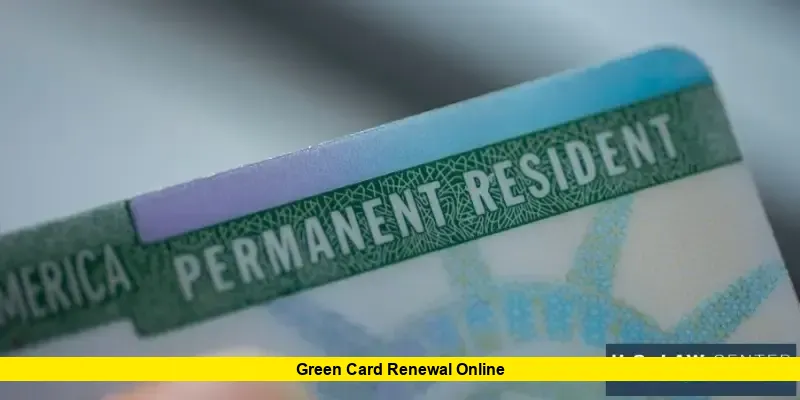
If you’re a lawful permanent resident in the United States, chances are you’ll need to renew or replace your green card at some point — and doing it online has never been easier. The process remains straightforward under USCIS, but there are updated costs, processing-time expectations, and procedural tips every resident should know as of December 2025.
Why Renew Your Green Card and When to Start
Green cards — officially called Permanent Resident Cards — usually expire every 10 years. When your card is nearing its expiration date, it’s time to renew. You can also apply for renewal if your card is lost, stolen, damaged, or contains outdated information such as name changes.
USCIS recommends starting the renewal process up to six months before your card expires, to avoid any gaps in status or difficulties proving residency for work, travel, or legal purposes.
If you hold a conditional green card (commonly issued for certain marriage- or investment-based permanent residents), the process differs — you’ll need to file a different form (such as Form I-751). Form I-90 does not apply for conditional residents.
How to Renew Your Green Card Online — Step by Step
1. Submit Form I-90 Online (or by Mail, if Needed)
The official form for green card renewal or replacement is Form I-90, Application to Replace Permanent Resident Card. Most lawful permanent residents use this form for renewals.
You can file Form I-90 via USCIS’s secure online system — a recommended route for ease of tracking — or by paper mail if you prefer or if required.
2. Pay the Required Fees
As of late 2025, filing fees for an online application generally run around $415, while paper filing is more expensive (roughly $465).
There may be additional biometrics fees, and in certain cases (e.g., low income), applicants might qualify for a fee waiver.
3. Provide Necessary Documentation
You will need to submit a copy of your current or most recent green card (front and back). If your name has changed, you must include supporting legal documentation. A valid government-issued ID — like a passport or driver’s license — is typically required as well.
If you are replacing a lost, stolen, or damaged card, or correcting other information, the same Form I-90 applies.
4. Attend a Biometrics Appointment
After USCIS receives your application, they’ll usually schedule a biometrics appointment at a local Application Support Center. There, you’ll provide fingerprints, a photograph, and a signature — a standard step even for renewals.
5. Receive Your New Green Card — Or Temporary Proof
Once processing is complete, USCIS will mail your renewed green card. In the meantime, they will issue a receipt notice. As of 2024, USCIS updated policy so that this receipt notice extends the validity of your expired green card for 36 months from its original expiration date. That means your expired card plus the receipt provides valid proof of status and work authorization while you wait.
If you lose your card or cannot receive it by mail, you may request an “ADIT stamp” (I-551 stamp) from a USCIS field office. This can serve as temporary proof of lawful permanent resident status while waiting for your replacement card.
What It Costs & How Long It Takes (as of Dec. 2025)
- Online fee: ~ $415
- Mail paper filing fee: ~ $465 or more (varies)
- Processing time: According to recent data, green card renewals currently take about 10 months on average. That timeframe can shift based on application volume, completeness of the application, and any security or background checks.
- Temporary validity extension: 36 months from the expiration date via receipt notice — helpful to avoid lapses in status or work authorization.
If you anticipate needing your renewed card for urgent travel, employment, or other time-sensitive matters, either file early (ideally six months before expiration) or explore USCIS’s options for expedited processing — though that’s only granted under limited emergency or hardship circumstances.
Common Mistakes to Avoid & Best Practices
- Don’t wait until the last minute: Starting renewal too close to the expiration date can create a gap in your ability to prove residency, travel, or work.
- Use the correct form: Filing Form I-90 incorrectly (e.g., when you actually have a conditional two-year card) can lead to denial or delays.
- Make sure all information is accurate: Typos, missing signatures, or outdated biographic data often lead to delays or requests for additional evidence.
- Track the case online: Filing online gives you the advantage of monitoring your application status, receiving updates, and responding quickly if USCIS requests further information.
- Plan for biometrics appointment: Attend promptly — delaying or missing it can cause major delays in receiving your card.
- Request an ADIT stamp if needed: If you don’t have a valid card and need temporary proof of residency, that stamp can be key for work, travel, or legal compliance.
Recent Processing Realities Residents Should Know
Processing times have recently stretched to around 10 months on average, which underscores why early filing matters.
The 36-month validity extension via the receipt notice remains active. That flexibility helps many residents maintain legal status and continue working while waiting.
Filing online continues to be the most efficient method — it allows easy tracking, less overhead, and a smoother overall experience.
Who Should NOT Use This Renewal Process
- Holders of conditional green cards (typically two-year cards based on marriage or investment) — these require a separate form (like Form I-751 or I-829) when the card expires or when removing conditions.
- Those with older-style resident cards (pre-I-551 versions, AR-3, AR-103, or older forms without expiration dates) — these should be replaced even if not expired.
Final Thoughts
Renewing your green card online using the official Form I-90 remains the standard path for most lawful permanent residents. While processing can take many months, planning ahead — ideally six months before your card expires — helps you avoid gaps in legal status, work authorization, or travel eligibility.
Filing online, paying the correct fees, submitting accurate documents, and attending the biometrics appointment on time are key steps to a hassle-free renewal. And even after you file, the 36-month extension tied to your receipt notice gives you breathing room while you wait.
If you’re on the cusp of renewal or your card will expire soon, you might consider starting the process today to stay ahead of delays — especially given current processing timelines.
Curious about extra tips to speed up your renewal or avoid common mistakes? Feel free to ask — I’m here to help keep you informed.