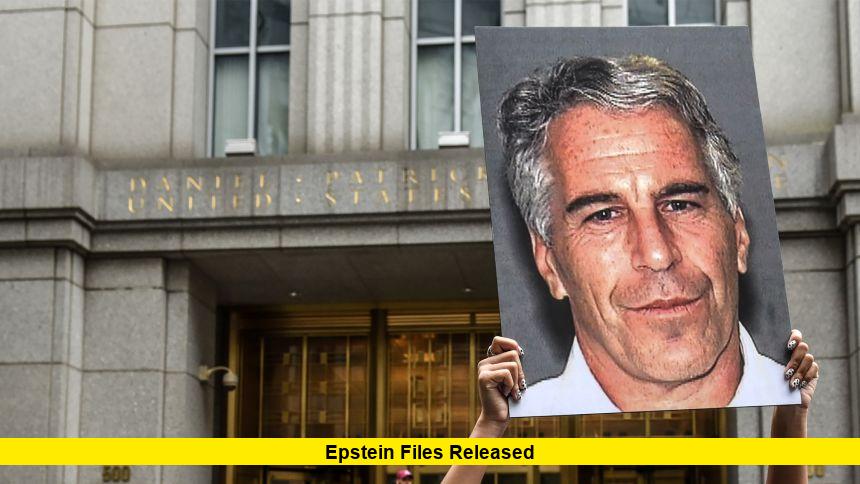
The date of December 19, 2025, is fast approaching, a pivotal moment set by new federal law that mandates the release of thousands of pages of documents related to the investigations into the late financier and convicted sex offender Jeffrey Epstein. This comprehensive disclosure, compelled by the recently signed Epstein Files Transparency Act, is the culmination of years of legal battles, public pressure, and recent intense congressional debate. The anticipated Epstein Files Released is a critical next step toward full transparency in one of the most scrutinized and complex criminal cases in modern U.S. history.
The sheer volume of material, held by the Department of Justice (DOJ) and the Federal Bureau of Investigation (FBI), represents the totality of the federal government’s investigative holdings. This includes records from the aborted 2007 federal investigation in Florida and the later 2019 federal sex trafficking case in Manhattan.
The Legislative Mandate for Transparency
The passage of the Epstein Files Transparency Act marks a dramatic reversal of previous executive and departmental positions on the release of these records. After months of internal disagreement and public controversy, the bill passed both the House of Representatives and the Senate with overwhelming, nearly unanimous support in November 2025. President Donald Trump, after initially resisting the disclosure and referring to the pressure for transparency as a “hoax,” ultimately signed the bill into law, citing a desire for complete public understanding.
The Act legally compels the DOJ and the FBI to make all their records on Epstein public in a searchable and downloadable format within 30 days of the bill becoming law. This places the absolute deadline for the document release on December 19, 2025.
The Scope of the Materials The documents set for release are expansive, covering more than two decades of law enforcement activity. They include, but are not limited to:
- FBI Agent Notes and Reports: Internal investigative materials detailing the federal probes.
- Witness Interview Transcripts: Testimony gathered from victims and witnesses in both the Florida and New York investigations.
- Forensic Evidence: Photographs, videos, and other physical evidence collected.
- Epstein’s Autopsy Report: The official medical examiner’s findings from his 2019 death in federal custody.
- Travel Records: Flight logs and other documents detailing Epstein’s movements and the passengers on his private aircraft.
The law is explicit: no records are to be withheld or redacted solely to cause embarrassment or reputational harm to any public figure, government official, or foreign dignitary. This provision directly addresses public fears that powerful associates might be shielded from disclosure.
Confirmed Exclusions and Limitations on Disclosure
While the Act is aimed at maximum transparency, it includes specific and non-negotiable exemptions designed to protect the integrity of ongoing law enforcement work and, most importantly, the privacy of survivors.
Protecting Victims and Sensitive Content Under the law, the DOJ is explicitly barred from releasing materials that:
- Identify Survivors: Any personally identifiable information belonging to victims, as releasing such details would constitute a “clearly unwarranted invasion of personal privacy.”
- Depict Child Sexual Abuse: The law strictly prohibits the release of any materials, including videos or photos, that depict the sexual abuse of children or graphic images of death, physical abuse, or injury. This ensures that the public release does not include illegal child sexual abuse material (CSAM).
Active Investigations and National Security The Justice Department is also permitted to withhold or redact information that could genuinely jeopardize an active federal investigation or documents that are found to be classified, pertaining to national defense, or foreign policy. However, as the core investigations into Epstein and his longtime confidante Ghislaine Maxwell (now serving a 20-year prison sentence for her role) are closed, the application of this exemption for the bulk of the material remains limited. The DOJ has, however, initiated new probes into potential co-conspirators, which could be cited to temporarily withhold select files.
The Grand Jury Transcripts: A Recent Court Victory
In a significant legal development just days ago, a federal judge in Florida approved the DOJ’s request to release the grand jury transcripts from the initial, aborted 2007 federal sex trafficking investigation in Palm Beach. This ruling confirmed that the new federal law overrides the long-standing legal rule protecting grand jury secrecy.
This material is highly anticipated because it may shed light on the federal prosecutors’ decision at the time to strike a secret non-prosecution agreement with Epstein. That deal allowed him to plead guilty to relatively minor state charges and served as the catalyst for the public outrage that ultimately led to the later federal revival of the case. The DOJ has also made similar requests in New York to release grand jury records from the 2019 Epstein case and the 2021 Maxwell case, with rulings expected imminently.
The Truth About the “Client List”
For years, intense public speculation has revolved around the existence of a definitive “client list”—a purported roster of famous, wealthy, and powerful men who allegedly participated in or were aware of Epstein’s crimes. This speculation has been a dominant feature of the controversy.
However, a memo released by the Justice Department in July 2025 explicitly stated that its comprehensive, systematic review of all Epstein-related records in its possession uncovered no incriminating “client list.” The memo further stated that the review found no credible evidence that Epstein was involved in blackmailing prominent individuals as part of his actions. Despite this official finding, the legend of the “client list” continues to drive much of the public’s intense curiosity surrounding the Epstein Files Released.
New Revelations from Recent Releases
While the December 19 deadline is the date for the full DOJ/FBI release, Congress has already disclosed some documents in a partial release that has intensified the public interest.
Epstein’s Private Communications In November 2025, Democrats on the House Oversight Committee released a tranche of emails and correspondence obtained through a subpoena of the Epstein estate. These documents contained specific references to Epstein’s relationship with high-profile individuals, including President Trump and former British Prince Andrew Mountbatten-Windsor.
The emails, dating from 2011 to 2019, raised questions about the extent of various associates’ knowledge of his activities. For example, in a 2019 email to an author, Epstein claimed that President Trump “knew about the girls,” stating that he had asked Ghislaine Maxwell to stop. The White House has consistently denied any knowledge of criminal wrongdoing, calling the selectively leaked emails a political attempt to smear the President.
A Look at the Timeline Other documents released by the House Oversight Committee in September 2025, while consisting mostly of information already made public through court proceedings, included additional flight logs and footage from the correctional facility where Epstein was housed before his death. The files also revealed that Epstein’s contacts included names of other billionaires and academic elite, further illustrating the breadth of his network.
The Path Forward
The upcoming release will not only provide clarity on the federal government’s handling of the case but also serve as a crucial test of the government’s commitment to transparency, particularly when it intersects with powerful figures. The process of review confirms that Epstein harmed over one thousand victims, a grim reality that stands at the center of the entire investigation. The documents contain a large volume of data, including images and videos of victims, the vast majority of which is protected from public view to prevent re-victimization. The FBI confirmed its conclusion that Epstein died by suicide in his cell in August 2019, based on a systematic review of the evidence, including video footage of the detention facility.
As the deadline approaches, the United States stands on the cusp of the most comprehensive public disclosure of records yet in this notorious case. The information set to be released will contribute significantly to the historical record, even as it confirms what federal investigators have already determined about the absence of a purported “client list” and the sheer scale of the crimes committed.
What will these files reveal about one of the most compelling and tragic cases of our time?
Stay tuned as the world awaits the December 19 deadline, and let us know your thoughts on what true transparency means in this case.