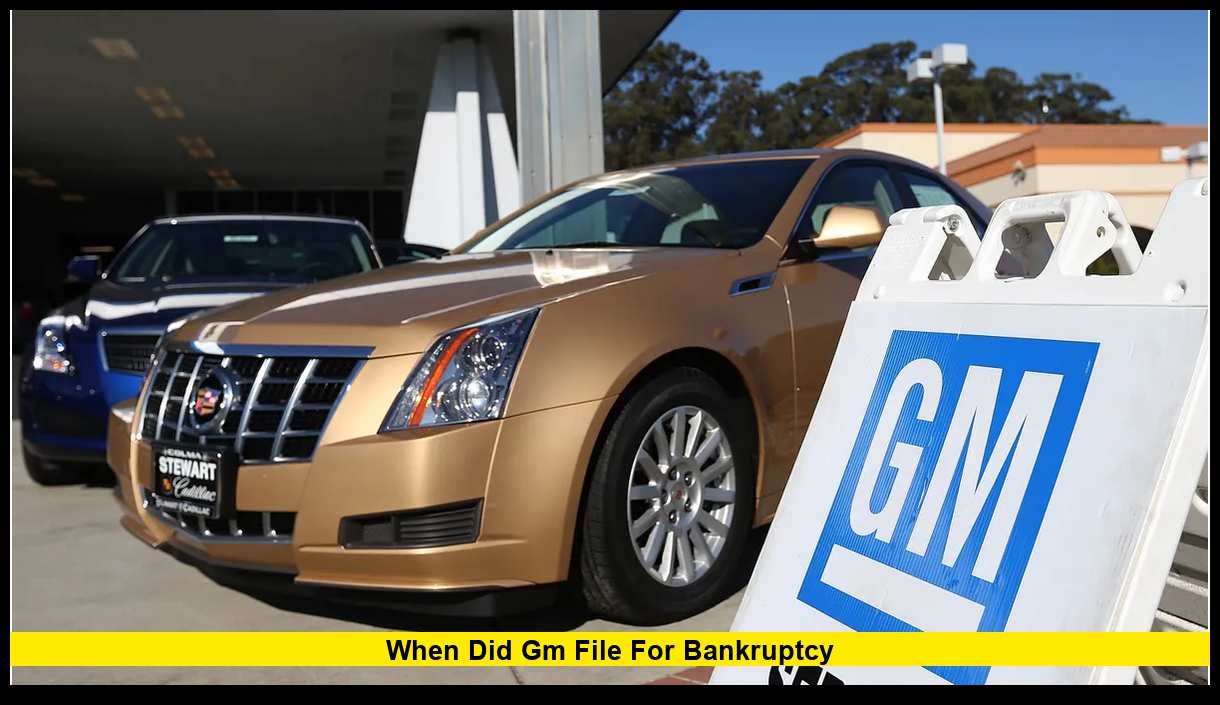
On June 1, 2009, General Motors filed for bankruptcy protection under Chapter 11. This event rocked the American auto industry. It became the largest industrial bankruptcy in U.S. history. Today, in December 2025, GM stands strong. The company just posted Q3 revenue of $48.6 billion and net income of $1.3 billion. Electric vehicle sales climb fast while profits remain solid.
The 2009 collapse tested Detroit and the nation. Thousands lost jobs. Factories shut down. Yet GM rebuilt itself from the ground up. It now leads in electric trucks, SUVs, and autonomous technology. Investors reward the comeback. Stock prices keep rising through 2025.
This story explains exactly when GM filed for bankruptcy and why it still matters today.
Roots of the Crisis
General Motors once ruled American roads. It created legendary brands like Chevrolet and Cadillac. By the early 2000s, trouble brewed. Labor costs soared. Pension and healthcare promises crushed cash flow.
Foreign rivals gained ground. Toyota and Honda offered reliable, fuel-efficient cars. GM focused heavily on big trucks and SUVs while gas stayed cheap. Then oil prices exploded. Buyers walked away.
The 2008 financial crisis delivered the final blow. Credit dried up overnight. Car sales crashed 45 percent. GM burned through billions. By spring 2009, cash ran dangerously low.
Mergers failed. Bondholders refused deals. Union contracts stayed rigid. Government loans came with tough demands. CEO Rick Wagoner stepped down under pressure from the White House. Chapter 11 became the only path left.
The Filing: June 1, 2009
Early on June 1, 2009, lawyers walked into federal bankruptcy court in Manhattan. They filed at 8:00 a.m. Assets totaled $82.29 billion. Liabilities reached $172.81 billion. The case instantly ranked among the biggest in American history.
Daily operations never stopped. Factories kept running. Paychecks cleared. Customers received warranty service. The U.S. Treasury supplied emergency funding to keep doors open.
The plan centered on speed. GM wanted to sell good assets to a brand-new company and leave bad debts behind. Most experts predicted months or years in court. GM aimed for weeks.
Key Timeline of Events
- June 1, 2009 – Chapter 11 filing and emergency financing approved
- July 5, 2009 – Judge approves sale of healthy assets to “New GM”
- July 10, 2009 – New General Motors officially launches
- November 2010 – Successful IPO returns company to public trading
- December 2013 – U.S. Treasury sells its final shares
The entire process lasted just 40 days. No other bankruptcy of this size ever moved that fast.
Government Role and Taxpayer Money
Washington invested roughly $51 billion through the Troubled Asset Relief Program. In exchange, the government took 60.8 percent ownership. Canada and Ontario also provided loans to protect North American plants.
Critics called it “Government Motors.” Supporters argued it saved over one million jobs. By 2013, taxpayers recovered most of the money. The final net loss fell between $11 billion and $12 billion.
Impact on Workers and Communities
Thousands of factory workers faced layoffs. Plants in Michigan, Ohio, and Indiana closed forever. Dealerships dropped from nearly 6,000 to about 5,000. Entire towns felt the pain.
Union members accepted wage cuts and new two-tier pay scales. Retiree healthcare moved into a trust managed by the UAW. Many lifelong employees saw benefits shrink.
Detroit suffered the hardest blow. Unemployment topped 20 percent in some areas. Empty buildings scarred the skyline. Recovery took years.
Brands That Disappeared
GM used bankruptcy to shed weak divisions:
- Pontiac – discontinued by 2010
- Saturn – phased out completely
- Hummer – brand shut down after failed sale
- Saab – sold but collapsed in 2012
Only Chevrolet, Cadillac, Buick, and GMC survived as core brands.
The Comeback Years
New GM started with far less debt and fewer plants. The IPO in 2010 raised billions. Profits returned quickly. Leadership poured money into fuel-efficient cars and electric vehicles.
Mary Barra became CEO in 2014. She pushed hard into electrification. The Chevrolet Bolt arrived first. Today the Ultium battery platform powers Silverado EV, GMC Hummer EV, and Cadillac Lyriq.
GM in 2025
Sixteen years after bankruptcy, General Motors thrives. Third-quarter 2025 sales reached 710,347 vehicles in the U.S. alone. Electric models now make up 8 percent of total sales and grow fast.
Revenue guidance stays strong despite tariff challenges. Battery plants open across America. Cruise continues testing robotaxis in multiple cities. Carbon-neutral goals remain on track for 2040.
The company employs over 100,000 people in the United States and leads in full-size pickup profits.
Lessons from 2009
That dark chapter taught brutal truths. Too much debt destroys even giants. Innovation cannot wait. Labor and management must adapt together. Government can play a decisive role when entire industries hang in the balance.
GM proved rebirth is possible. From the edge of extinction rose a leaner, smarter company ready for the electric age.
GM turned its darkest day into one of America’s greatest corporate comebacks. What part of this story inspires you most? Drop your thoughts in the comments and keep following for the latest auto industry updates.
FAQ
When did GM file for bankruptcy? General Motors filed for Chapter 11 bankruptcy on June 1, 2009.
What caused GM to file for bankruptcy? A combination of high debt, massive pension and healthcare costs, the 2008 financial crisis, and fierce foreign competition forced the filing.
How long was GM in bankruptcy? Only 40 days. The company emerged as a new entity on July 10, 2009.
Did taxpayers lose money on the GM bailout? The government recovered most of the $51 billion invested, with a final net loss of about $11–12 billion.
Which brands did GM kill after bankruptcy? Pontiac, Saturn, Hummer, and eventually Saab disappeared.
Is GM profitable today? Yes. In Q3 2025 GM reported $48.6 billion in revenue and $1.3 billion in net income.