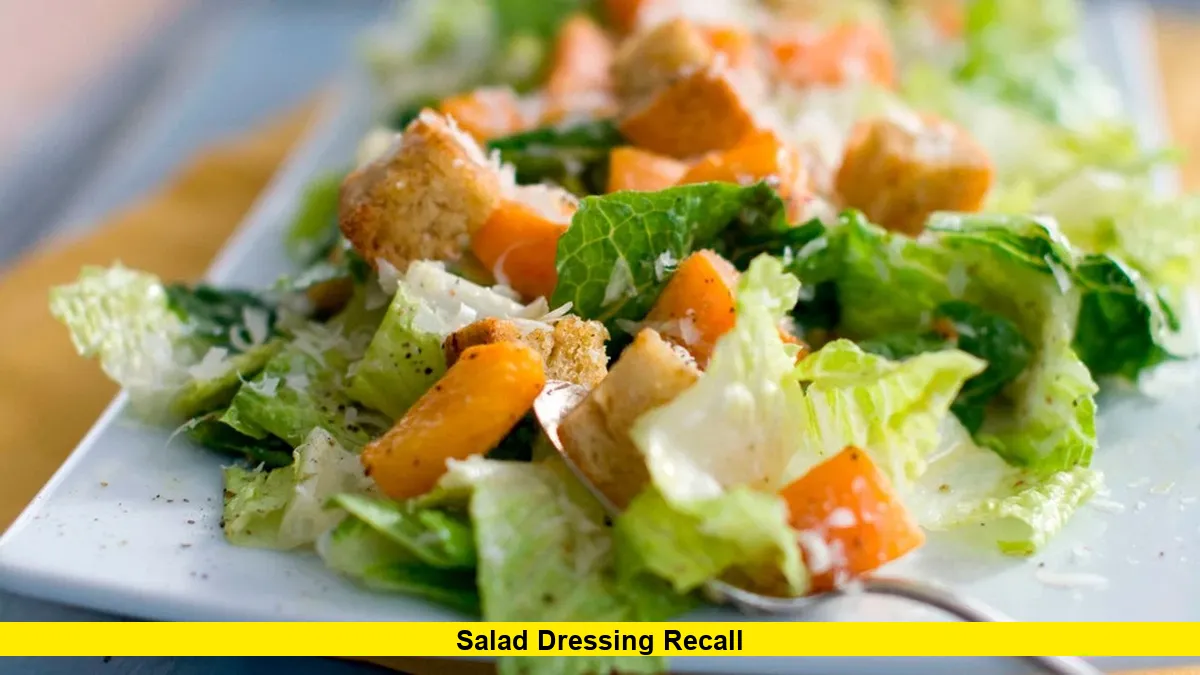
Federal food regulators have confirmed that more than 4,000 cases of salad dressings and sauces produced by Ventura Foods have been recalled because they may contain foreign material, specifically black plastic planting material that entered the supply through a contaminated ingredient. The products were widely distributed to delis, cafeterias, and food courts at major retailers, including locations inside Costco and Publix stores in 27 states, giving the recall a broad national footprint. Officials have classified the recall as a Class II event, meaning the products are not expected to cause life-threatening injuries but can still lead to temporary or medically reversible health problems if consumed.
Key Facts Consumers Need to Know
Regulators say the recall was initiated after foreign black plastic pieces were discovered in granulated onion used to make several dressings and sauces, prompting the manufacturer to pull affected batches as a precaution. Ingesting this kind of plastic could pose a choking hazard or cause internal irritation or minor injury, especially for young children, older adults, or anyone with swallowing difficulties. As of mid-December 2025, no injuries or illnesses have been reported in connection with the recalled products, but officials stress that the items should not be eaten.
The recall spans thousands of gallons of condiments used not only as bottled or jug dressings, but also as ingredients in prepared foods such as Caesar salads and chicken sandwiches sold in store delis and food courts. This means some customers may have consumed the recalled dressings without realizing they came from the affected lots, prompting retailers to pull both the bulk dressings and the prepared menu items built around them.
Which Brands and Products Are Involved
The impacted products are primarily food-service and deli items rather than small retail bottles, but they include well-known brand names, private-label offerings, and bulk containers used behind the counter. According to recall notices and retailer announcements, the affected dressings and sauces include:
- Monarch Italian Salad Dressing in food-service packaging.
- Sysco Creamy Poblano Avocado Ranch Dressing and Dip.
- Ventura-branded Caesar dressings used by food-service clients.
- Pepper Mill Regal Caesar Dressing and Pepper Mill Creamy Caesar Dressing.
- Publix Deli Carolina-Style Mustard BBQ Sauce used in deli applications.
- Costco Service Deli Caesar Dressing and Costco Food Court Caesar Dressing in bulk jugs.
- Certain Hidden Valley Buttermilk Ranch dressings manufactured for food-service use only, not standard retail bottles.
These products are typically sold in large containers such as one-gallon jugs or used directly in deli recipes, salads, sandwiches, and prepared meals rather than as standard consumer-sized bottles on grocery shelves. The affected items carry specific lot codes and “best by” dates identified in the recall documentation, which retailers and food-service operators are using to pull inventory.
Where the Recalled Dressings Were Distributed
The recall covers product shipments to 27 states, affecting a mix of grocery chains, wholesale clubs, and institutional food-service accounts. Regulators and retailer notices indicate distributions to delis, cafeterias, and food courts in states including Colorado, Georgia, Illinois, Kansas, Louisiana, Maryland, Minnesota, Nebraska, New Hampshire, New Jersey, North Carolina, North Dakota, Oklahoma, Pennsylvania, South Carolina, Texas, Virginia, Washington, Wisconsin, and others listed in the recall. Local outlets in states such as Ohio, Kentucky, Indiana, and Oklahoma have confirmed that at least some locations received products covered by the recall.
Because many of the items were shipped in bulk containers to food courts and deli counters, some of the recalled dressings may never have appeared in consumer-facing packaging with brand labels; instead, they were used behind the scenes in salads and sandwiches. That distribution pattern has led retailers like Costco to separately recall specific prepared foods, including certain Caesar salads and chicken sandwich meals that used the affected Caesar dressing.
Why the Recall Was Issued
The trigger for this large-scale recall was the discovery of black plastic pieces in granulated onion supplied to the manufacturer, raising concern that shards of this foreign material could be present in finished dressings and sauces. Food-safety regulators determined that the contamination posed a risk of choking or minor internal injury if a consumer swallowed one of the plastic fragments. Even though the risk of severe, long-term health consequences is considered low, the presence of non-food material in these products violates safety standards and prompted the Class II recall classification.
Regulators note that the recall was first announced in early November and has remained active into December as new enforcement reports and retailer notices continue to reach the public. The recall classification and scope were updated as more information became available, including confirmation that thousands of cases had been distributed across a wide geography.
Health Risks and Symptoms to Watch For
Officials emphasize that no injuries or illnesses have been linked to the recalled dressings so far, but they still warn against consuming any of the affected products. Ingesting small pieces of hard plastic could cause symptoms ranging from mild throat irritation to discomfort in the chest or abdomen, depending on where the fragment lodges or passes. In rare cases, swallowing a larger shard could pose a choking risk, especially for young children, older adults, or people with certain medical conditions related to swallowing.
If someone believes they may have swallowed a piece of plastic from a recalled dressing and experiences persistent pain, difficulty swallowing, gagging, or trouble breathing, health officials advise seeking medical attention promptly. For those who ate the affected dressings but feel well, regulators are not recommending routine medical visits; instead, they say consumers should monitor for any unusual symptoms and consult a healthcare professional with any concerns.
What Consumers Should Do Right Now
Food-safety authorities are urging consumers to check their refrigerators, especially if they purchased deli salads, prepared Caesar salads, chicken sandwiches, or bulk-sized dressings from Costco, Publix, or other retailers in recent weeks. Shoppers who bought salads or deli meals between late October and early November containing Caesar or ranch-style dressings from store delis are encouraged to confirm whether those items were covered by this recall.
For any dressing, sauce, or deli item that matches the brand names and time frames highlighted in recall information, the guidance is clear:
- Do not eat the product, even if it looks and smells normal.
- Place the product in a sealed bag or container before discarding it to prevent accidental consumption.
- Alternatively, return the product to the place of purchase to request a refund, following store policies.
Retailers and the manufacturer have indicated they will work with customers who bring back affected items, and store notices continue to be posted in impacted locations.
Impact on Retailers and Food-Service Providers
The recall has prompted major retailers and food-service operators to conduct internal audits of their inventories, pull affected lots, and notify customers through in-store signage and online announcements. Costco, for example, has identified specific Caesar salad and chicken sandwich items that used the recalled dressing and has taken them off sale for the affected dates and item numbers. Publix delis have likewise removed certain Carolina-style mustard BBQ sauces and related applications that relied on the impacted bulk sauces.
Food distributors that service restaurants, schools, and institutional cafeterias are also part of the recall’s reach, as products like Monarch Italian Salad Dressing and Sysco Creamy Poblano Avocado Ranch Dressing and Dip are commonly used in large-scale food preparation. Operators are being instructed to check their stock, discard recalled lots, and document their actions to ensure compliance with the recall.
How This Recall Fits Into Broader Food-Safety Efforts
This event underscores how a single contaminated ingredient can ripple through a complex supply chain, affecting multiple brands, retailers, and prepared foods. In this case, a problem traced to granulated onion used in dressing production led to a multi-state recall and the removal of numerous deli salads and sauces. The incident highlights the importance of traceability systems that allow manufacturers and regulators to quickly identify where affected ingredients were shipped and how they were used.
While the current recall centers on plastic contamination rather than bacteria like Listeria or Salmonella, regulators stress that foreign material in food remains a significant safety concern. Classifying the incident as a Class II recall reflects a moderate risk level, but it also signals that companies and inspectors are expected to act quickly whenever non-food materials are discovered in widely distributed products.
Tips to Stay Informed About Future Recalls
Officials encourage consumers to stay alert for recall announcements focused on products they buy frequently, especially high-turnover items like deli salads, prepared meals, and bulk condiments. Many retailers now post recall alerts on store websites and at customer-service desks, and some offer voluntary notification tools where customers can sign up for recall updates related to their purchases. Reading product labels when possible, keeping receipts, and noting purchase dates can make it easier to determine whether a specific item falls within a recall window.
Food-safety agencies also recommend that food-service managers and institutional buyers maintain up-to-date contact information with suppliers so they can receive rapid notice when recalls are announced. Swift communication up and down the supply chain helps ensure recalled products are removed from circulation quickly, minimizing the chance that contaminated items reach customers.
What This Means for Shoppers Today
For now, shoppers in affected states should treat recall alerts about salad dressings and sauces seriously and take a few minutes to review any recent deli and food-court purchases. Even though the current recall is not associated with severe or widespread health problems, it still involves a foreign object that does not belong in food and that could cause discomfort or injury if swallowed. By checking labels, discarding questionable products, and staying aware of updates, consumers can reduce their risk while retailers and regulators continue working to remove affected items from the market.
Share how this salad dressing recall is affecting your shopping choices, and check back often for updated guidance as more information becomes available.