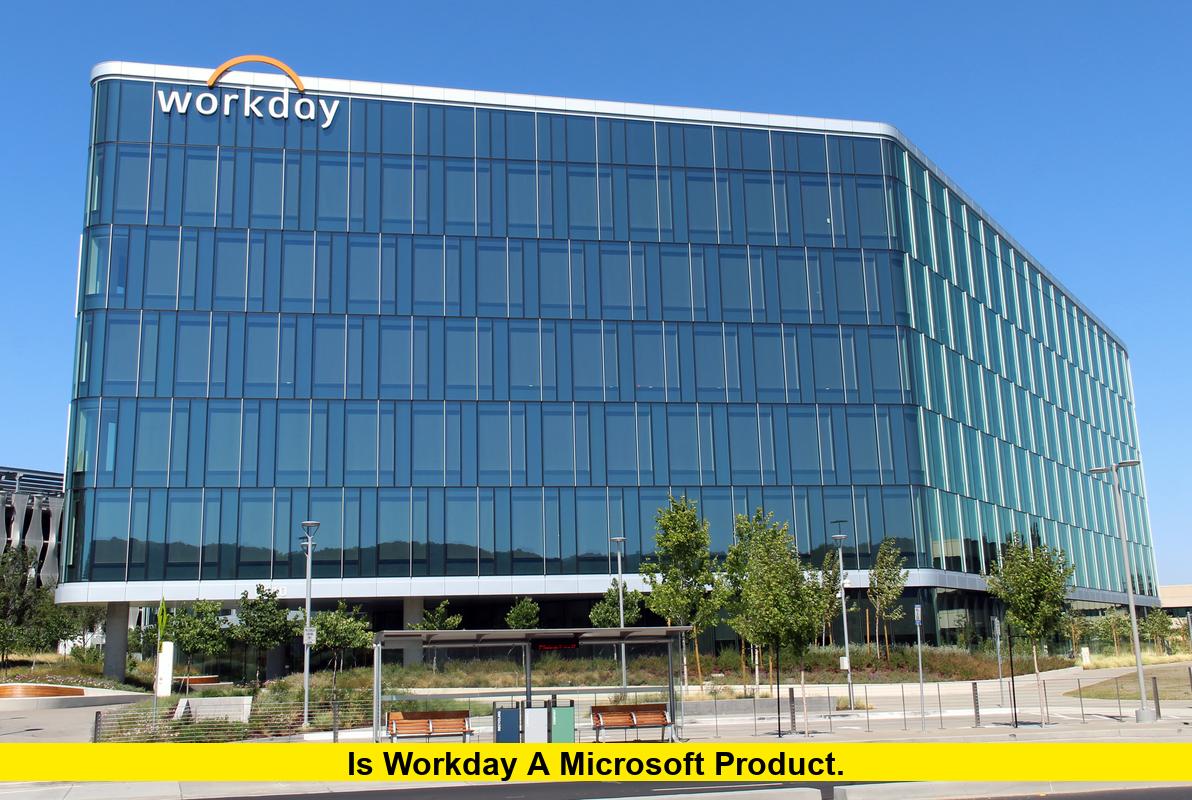
Is Workday a Microsoft product? No. Workday is an independent, publicly traded software company based in Pleasanton, California. The question keeps coming up because a widespread Workday outage on Friday, November 13, 2026 hit the same week as a separate Microsoft disruption. Many workers are now checking the Workday outage status and wondering whether the two are linked.
Is Workday a Microsoft Product or a Separate Company?
Workday has no ownership tie to Microsoft. The company was founded in March 2005 by Dave Duffield and Aneel Bhusri. Duffield previously founded the business software firm PeopleSoft, and Bhusri was a senior executive there.
Workday sells cloud-based software for human resources, payroll, and finance. Employees use it to check pay information, request time off, and complete other workplace tasks. The company went public on October 12, 2012, and its stock now trades on the Nasdaq under the ticker WDAY.
Workday and Microsoft are not parent and subsidiary. They are two separate companies, and Workday’s competitors in the HR and finance software market include Oracle and SAP.
Why People Mix Up Workday and Microsoft
Three things fuel the confusion.
- Workday works alongside Microsoft tools. Many employers use Workday for HR and Microsoft software for email and collaboration. Workday also integrates with Microsoft products, which can make the two feel like one system.
- The name is generic. “Workday” is also a common English word, so headlines about a Microsoft outage “disrupting the workday” can send readers to the wrong place.
- The timing overlapped. A Microsoft outage began Thursday, November 12, 2026, and Workday’s trouble followed on Friday, November 13.
The two companies gave different explanations for their problems. Microsoft said its incident came from an issue during an earlier network capacity upgrade that surfaced after a recent network change. Workday said its disruption began after a problem was discovered while it was testing its backup systems. Nothing in the reporting I reviewed ties the two events together.
Workday Outage Status: What We Know Right Now
Workday users began reporting login failures and error messages on Friday, November 13, 2026. Some saw a message saying “Workday is currently unavailable” when they tried to sign in.
Here is what has been confirmed:
- Workday acknowledged that some customers were experiencing a service disruption and said it was working urgently to investigate and resolve the issue.
- The company apologized to affected customers.
- Workday said it placed some systems in maintenance mode while it worked on the problem.
- The company said it would post updates every 30 minutes.
- As of Friday afternoon, Workday had not given an estimate for full restoration.
- Downdetector logged more than 2,900 reports of problems as of 3:15 p.m. on Friday.
The picture on Saturday, November 14, is less clear. Some third-party outage trackers showed no major active problems by then, while others had shown the disruption still ongoing late Friday. I did not find a Workday announcement confirming full restoration for every customer. Treat any “all clear” from a tracker as unconfirmed until your employer or Workday says so.
Which Companies Were Affected?
Workday’s customers include major U.S. employers, so a disruption can reach a lot of workers at once. One report said a source named Walmart, Target, Chipotle, and Skechers among the affected companies. That claim came from a single unnamed source, and the companies and Workday did not confirm it in the coverage I reviewed. Whether your employer was affected may depend on how it hosts and configures Workday.
Workday has not publicly said how many customers or employees were affected.
How Often Does Workday Go Down?
Outages at large cloud platforms are not unusual, and Workday has had notable incidents before. On November 2, 2023, a power outage at its Portland, Oregon data center disrupted service. Backup power failures and an unstable power environment slowed recovery, and Workday said service was restored for all impacted production customers at 5 p.m. PDT that day.
Third-party trackers also logged a string of shorter spikes in problem reports across late September, October, and early November 2026. Those trackers rely on user-submitted reports, and Workday had not acknowledged most of those smaller spikes. They show user-reported trouble, not confirmed outages.
Planned Maintenance Can Look Like an Outage
Not every login failure is an outage. Workday runs regular maintenance windows, and many employers pass along the schedule to their staff. A common weekly window runs on Friday nights from 11 p.m. to 3 a.m. Pacific Time, which stretches into early Saturday. Longer monthly and quarterly windows exist as well.
If Workday is unavailable late on a Friday, check whether your employer has posted a maintenance notice before assuming something broke. The sign-in page often displays a notice when maintenance is underway.
How to Check Workday Outage Status Yourself
Start with official channels. Workday’s Community site hosts the official status page, though you generally need a Workday Community account to view it. Many employers also keep an internal IT status page or send emails during incidents, so check those first.
If you cannot get in, try these steps:
- Test another website. If other sites also fail, your internet connection may be the problem.
- Try a different browser or device. A cached page or a browser extension can cause login errors.
- Look for your employer’s notice. Your IT or HR team often posts updates faster than public trackers.
- Treat crowd-sourced trackers as a guide, not proof. They reflect user reports and can lag behind or overstate a problem.
What the Outage Means for Your Paycheck and Time Off
Workday has not said that pay is delayed or lost, and an outage that blocks logins does not by itself mean payroll failed. Whether your pay is affected depends on how your employer runs payroll and what the outage touched.
Here is how to protect yourself:
- Record your hours. If you cannot clock in or submit time, write down your start and end times and tell your manager.
- Save your requests. Keep a note of any time-off request or schedule change you could not submit, and resubmit it once service returns.
- Ask HR about payroll. If payday falls soon, ask your HR or payroll team whether processing may be affected.
- Avoid repeated login attempts. Hammering the sign-in page will not speed up recovery and can lock your account in some setups.
- Watch for scams. Outages draw phishing emails that pose as IT or Workday support. Do not click links in unexpected messages asking you to “verify” your login.
What to Watch Next
Several questions remain open as of Saturday, November 14, 2026:
- Full restoration. Workday has not confirmed that every affected customer is back online.
- The root cause. The company pointed to a problem found during backup-system testing, but it has not published a detailed explanation.
- Customer impact. The total number of affected employers and employees remains unconfirmed.
- A post-incident report. Workday has published status updates after past major incidents, so a fuller account may follow.
The most reliable updates will come from Workday’s official channels and from major news coverage of the outage. Microsoft customers can follow that company’s own incident updates on the Azure status page, which is separate from Workday’s.
The Bottom Line for Workers and Employers
Workday is not owned by Microsoft, and the two companies’ outages appear to have separate causes. If you are locked out, the safest moves are to check your employer’s notices, document your hours, and wait for confirmation that service is stable.
Were you locked out of Workday on Friday, and has your employer given you any update? Share your experience in the comments below and check back for the latest developments.