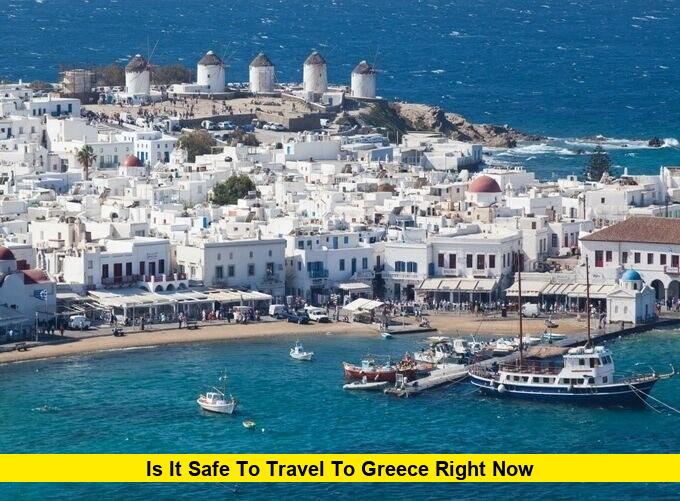
Travel Advisory Status and What It Means for Your Trip
If you’re wondering is it safe to travel to Greece right now, the latest U.S. travel advisory places Greece at Level 1 — the lowest level of caution, indicating that travelers should exercise normal precautions when visiting. This is the same advisory level in effect in early March 2026, and it reflects that Greece remains broadly safe for U.S. visitors, with no widespread threats specifically targeting tourists. This official rating applies across mainland Greece and the islands with typical traveler safety recommendations.
Take a moment to double-check your itinerary and local conditions before departure.
What the Level 1 Advisory Means for Americans
A Level 1 travel advisory means that the overall security environment in Greece is stable and that travel is permitted. Petty crime such as pickpocketing and small thefts can occur in crowded urban and tourist areas, particularly in places like Athens or busy ferry terminals, so remain vigilant with personal belongings. Major violent crime against visitors is rare. Local demonstrations and occasional strikes can happen, sometimes affecting public transport or services temporarily, but they are generally peaceful and avoidable with situational awareness while traveling.
On the Ground: Daily Life and Safety Conditions
Across Greece, everyday life operates much as it does in other European destinations. Popular attractions from the Acropolis to the Santorini caldera draw millions of visitors without incident annually. Local authorities maintain regular policing and public safety measures in tourist hotspots, while emergency services are accessible through the European emergency number (112). Public transport and ferry services typically run reliably, though occasional strikes or protests may cause brief disruptions.
Climate and natural conditions are also important to factor in. Greece lies in an active seismic zone, and mild earthquakes occur with some frequency, though serious ones are uncommon. Seasonal weather patterns can bring intense heat in summer and sporadic storms at other times; travelers should plan their activities and hydration accordingly.
Travel Preparations: Entry, Health, and Insurance
For U.S. citizens planning a trip, Greece remains open to tourists with standard entry regulations, and no extraordinary restrictions related to global health emergencies are currently in force. Travelers should apply for any visa or travel authorizations required well in advance, especially if new EU entry systems are introduced later in 2026. It’s also wise to check the Centers for Disease Control and Prevention (CDC) health guidance for any recommended vaccinations or health precautions before you go.
Travel insurance that includes medical evacuation and trip disruption coverage is strongly recommended. Insurance can offer peace of mind for unexpected medical needs, weather impacts, or changes to plans due to strikes or travel disruptions.
Common Risks and How to Avoid Them
Despite Greece’s safe reputation, a few risks are worth preparing for:
- Petty Theft: Keep wallets and devices secure, especially in crowded areas like markets, buses, and train stations.
- Heat and Sun Exposure: Temperatures in summer can be intense. Carry water, use sunscreen, and avoid prolonged sun exposure at midday.
- Demonstrations and Strikes: Check local news and avoid large gatherings. Transportation on strike days can be limited.
- Natural Events: Familiarize yourself with earthquake safety and heed local warnings for storms or extreme weather.
With common-sense precautions and awareness of your surroundings, most visitors enjoy Greece’s history, beaches, cuisine, and culture without incident.
Why Greece Continues to Be a Top Choice for U.S. Travelers
Despite regional tensions in parts of the Middle East that have led to advisories for other destinations, Greece remains a stable destination for American tourists. The country’s popularity stems from its rich history, vibrant cities, welcoming culture, scenic islands, and well-developed tourism infrastructure.
Millions of visitors continue to travel to Greece annually, enjoying everything from ancient ruins in Athens to serene island life in the Aegean and Ionian Seas. English is widely spoken in tourist areas, and hospitality businesses are experienced in meeting international travelers’ needs.
Whether you’re planning a summer beach getaway, a cultural tour of historic sites, or an exploration of Greek cuisine and wine regions, your trip can be safe and rewarding with proper preparation.
Ready to discuss your trip plans or want updates on travel safety? Share your thoughts below and stay informed for your Greece adventure!