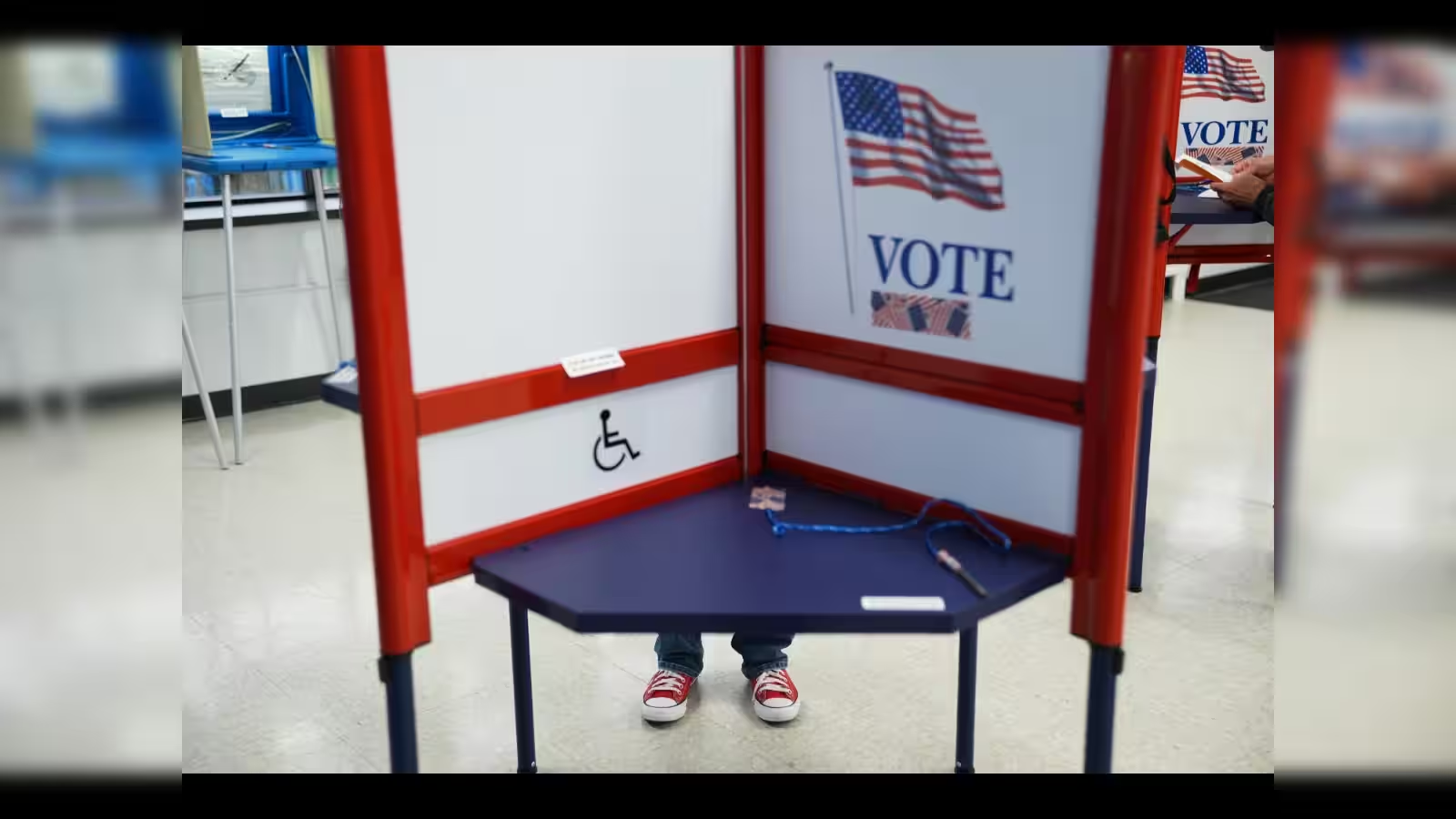
The 2026 midterm elections give Americans an important opportunity to select members of Congress, state leaders, and local officials who will shape policy for the next two years. Understanding how to vote in midterm elections 2026 requires careful attention to eligibility rules, registration status, and the specific procedures set by each state, since no single national process exists. Election Day falls on Tuesday, November 3, 2026, when voters will decide all 435 seats in the U.S. House of Representatives, 35 seats in the U.S. Senate (including two special elections), dozens of gubernatorial races, and a wide range of state and local contests. Because deadlines and methods differ significantly from one state to another, the most reliable approach begins with confirming details through official state election resources.
Understanding the 2026 Midterm Elections
Midterm elections occur halfway through a presidential term and focus primarily on Congress and state governments. In 2026, every House seat is on the ballot, along with roughly one-third of the Senate and numerous governors, attorneys general, state legislators, and ballot measures. These contests determine which party holds majorities in each chamber of Congress and influence the direction of state policy on issues ranging from education and taxes to public safety and health care. Unlike presidential years, ballots vary widely by location; a voter in one county may see different races and measures than a voter in a neighboring county. Reviewing a sample ballot in advance helps voters identify the candidates and questions they will encounter and reduces time spent at the polls.
Confirming Eligibility and Registration Status
To participate, a person must be a U.S. citizen, at least 18 years old on or before Election Day, and meet the residency requirements of the state where they intend to vote. Some states allow individuals who will turn 18 by Election Day to register earlier, while others impose additional rules related to past felony convictions that can differ by jurisdiction. Once basic eligibility is clear, the next step is to verify current registration. Many people discover that their record is outdated after a move, a name change, or a period of inactivity. Checking status through official channels takes only a few minutes and can prevent problems on voting day.
Voter registration deadlines are set by each state and may fall as early as 30 days before the election or remain open through Election Day itself in states that offer same-day registration. As of mid-October 2026, regular registration periods have already closed in a substantial number of states, while same-day options remain available in roughly 20 states plus the District of Columbia during early voting or on Election Day. In those locations, voters typically need to present proof of identity and residency when they register and vote in the same visit. Anyone who has moved recently should update their address promptly, because ballots and polling place assignments follow the address on file. Military members, their families, and U.S. citizens living abroad follow specialized procedures that allow them to register and request ballots through federal programs designed for overseas voters.
Options for Casting Your Ballot
Voters generally have three main pathways, though availability depends entirely on state law. In-person voting on Election Day remains the traditional method. Polling places typically open early in the morning and close in the evening; exact hours vary, often ranging from 6 or 7 a.m. to 7 or 8 p.m. local time. Anyone standing in line when polls close is usually allowed to vote. Some jurisdictions operate vote centers that permit residents of an entire county to cast a ballot at any designated location, while others require voters to use their assigned precinct.
Early in-person voting has expanded in recent years and is available in the large majority of states. As of October 19, 2026, early voting has already begun or is starting in multiple states, including Texas, Alaska, Arkansas, Colorado, Connecticut, and others. Periods commonly run for one to three weeks in October and may end a few days before Election Day. Early voting locations and hours can differ from Election Day sites, so confirming the details in advance prevents wasted trips. A smaller number of states do not offer no-excuse early in-person voting and instead limit options to absentee ballots with a qualifying reason.
Mail or absentee voting provides flexibility for those who prefer to complete their ballot at home or who face travel, work, or health constraints. In several states, every registered voter automatically receives a ballot by mail. In most others, any eligible voter may request one without stating a reason, while a handful of states still require an approved excuse. Request deadlines and return rules vary; some states accept ballots postmarked by Election Day and received shortly afterward, while others require physical receipt by the close of polls. Secure drop boxes are widely available in states that conduct significant mail voting. Voters who choose this method should track their ballot status through state tools when available and follow signature and witness requirements exactly as instructed on the materials.
Preparing Your Voting Plan
Creating a simple plan reduces the chance of last-minute obstacles. Start by confirming the correct polling place or early-voting site and noting the hours of operation. Next, determine what identification or documentation the state requires. Requirements range from strict photo ID to no identification at all, and some states accept a range of documents such as utility bills or bank statements for certain purposes. Bringing the appropriate ID avoids provisional-ballot complications.
Reviewing a sample ballot helps voters research candidates and ballot measures ahead of time. Nonpartisan sources and state election offices typically publish sample ballots once the ballot is finalized. Voters with disabilities can request accessible formats, including large-print ballots, electronic options, or assistance at the polls; federal and state laws protect these rights. Those who need language assistance may also find translated materials or bilingual poll workers in many communities. Finally, consider transportation, potential wait times, and whether to vote early or by mail to avoid Election Day crowds. Checking the weather forecast and allowing extra time remains practical advice for in-person voting.
Public Interest in the Midterms
Public attention to midterm elections often centers on control of Congress and the resulting ability to advance or block legislation. With all House seats and a substantial portion of the Senate up for election, the outcome can shift committee leadership and the legislative agenda for the remainder of the presidential term. State races for governor and legislature affect education funding, infrastructure, criminal justice, and election administration itself. Ballot measures in many states let voters decide policy questions directly. Because participation rates in midterms have historically lagged behind presidential years, each vote carries relatively greater weight. Civic organizations, schools, and local election offices frequently host nonpartisan events to explain the process and encourage informed participation.
Latest Developments as of Mid-October 2026
With Election Day less than three weeks away, the practical focus has shifted to the remaining windows for registration, ballot requests, and early voting. Early in-person voting is underway or beginning this week in a growing number of states, while mail ballots have already been distributed in jurisdictions that conduct elections primarily by mail. Registration deadlines have closed for standard online and mail applications in many states, yet same-day registration continues to offer a path forward in those places that provide it. Election officials in several states have reminded voters that early-voting sites and Election Day polling places may not be identical and that hours can vary by county. No major nationwide changes to core voting procedures have been confirmed in recent weeks; individual state rules continue to govern the process. Voters are encouraged to monitor official state announcements for any local adjustments related to weather, facility availability, or security measures.
Final Thoughts
Successful participation in the 2026 midterm elections depends on verifying personal eligibility, confirming or updating registration, selecting a convenient voting method, and following the specific rules of the relevant state. Taking these steps early reduces stress and helps ensure that every eligible ballot is counted. Because procedures can differ even between neighboring counties, the most accurate information always comes from official election authorities rather than general summaries. Whether a voter prefers early in-person options, a mail ballot, or traditional Election Day voting, a short amount of preparation makes the process straightforward.
Share your voting experiences or questions in the comments below, and stay updated for more election resources.