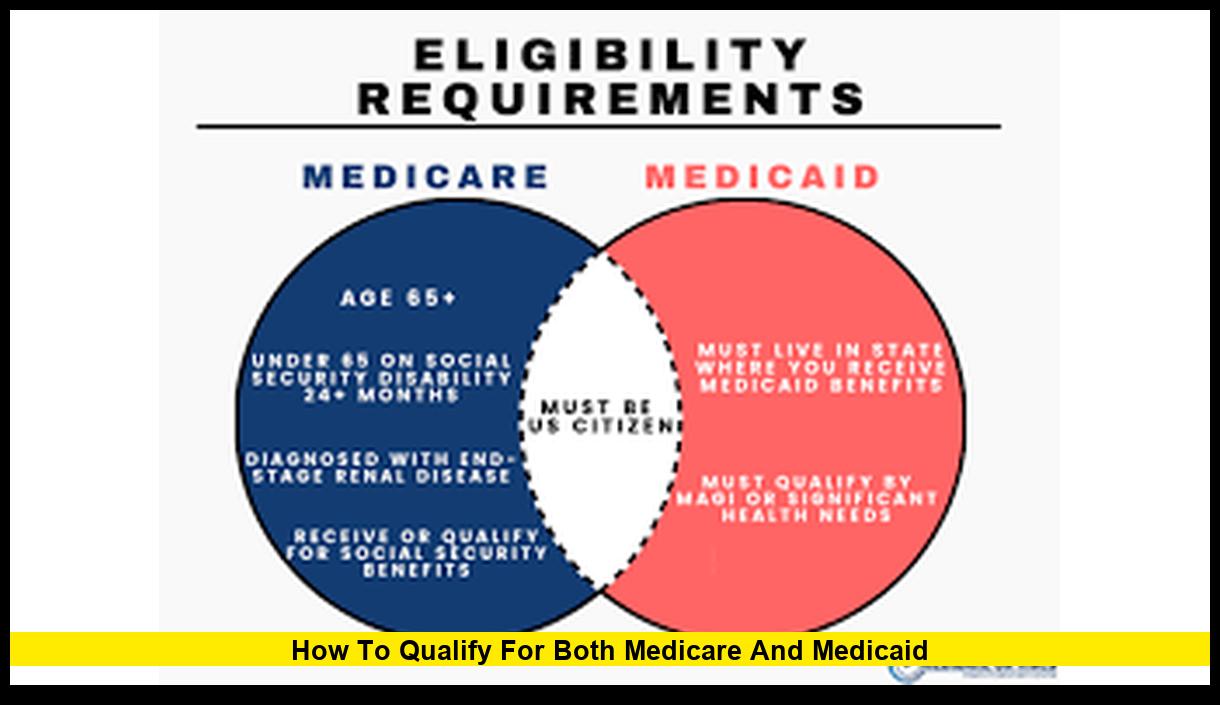
How to qualify for both Medicare and Medicaid is an important issue for millions of Americans seeking affordable healthcare coverage. As of today, both programs continue to operate under federal rules with state-level administration, allowing eligible individuals to receive benefits from both when specific age, disability, income, and asset requirements are met.
This eligibility status is commonly called dual eligibility and provides broader health coverage than either program alone.
Understanding Medicare and Medicaid
Medicare is a federal health insurance program. It primarily serves people age 65 and older, along with certain younger individuals who qualify due to disability or long-term medical conditions.
Medicaid is a joint federal and state program. It provides healthcare coverage to people with limited income and resources, including seniors, people with disabilities, and other qualifying groups.
When a person qualifies for both programs, Medicare generally pays first, while Medicaid helps cover remaining eligible costs.
Who Qualifies as Dual Eligible
Dual eligibility is based on both medical status and financial need.
People who commonly qualify include:
- Adults age 65 or older with limited income
- Individuals under 65 with qualifying disabilities
- People receiving Supplemental Security Income
- Residents of long-term care facilities who meet Medicaid rules
Eligibility is reviewed regularly, and changes in income or household size can affect qualification.
Medicare Eligibility Requirements
Medicare eligibility is consistent nationwide and does not depend on income.
An individual may qualify if they:
- Are age 65 or older and eligible for Social Security
- Have received Social Security Disability Insurance for the required period
- Have certain qualifying long-term medical conditions
Once enrolled, Medicare serves as the primary payer for covered services.
Medicaid Income and Asset Rules
Medicaid eligibility is based on financial need.
Each state sets income and asset limits within federal guidelines. These limits are updated periodically.
States consider:
- Monthly income from all sources
- Countable assets such as savings and investments
- Household size
- State residency
Certain assets, including a primary residence and personal belongings, are often excluded.
Different Levels of Dual Eligibility
Not all dual-eligible individuals receive the same level of assistance.
Common categories include:
- Full dual eligibility, where Medicaid covers most Medicare out-of-pocket costs and additional services
- Partial dual eligibility, where Medicaid helps pay specific Medicare expenses
The level of coverage depends on income, assets, and state rules.
What Medicaid Covers for Medicare Beneficiaries
For people who qualify for both programs, Medicaid can significantly reduce healthcare costs.
Medicaid may help pay for:
- Medicare Part B premiums
- Deductibles and coinsurance
- Long-term care services
- Vision, dental, and hearing care not covered by Medicare
This coordination helps ensure broader access to care.
Qualifying Through Supplemental Security Income
Many people qualify for both programs through Supplemental Security Income.
SSI provides financial assistance to older adults and individuals with disabilities who have limited income and resources.
In most states, SSI eligibility automatically qualifies a person for Medicaid. Medicare eligibility follows separately based on age or disability status.
How to Apply for Both Programs
There is no single application for both Medicare and Medicaid.
The process usually includes:
- Enrolling in Medicare through Social Security
- Applying for Medicaid through the state Medicaid agency
- Providing proof of income, assets, and residency
- Completing required eligibility reviews
Some states offer coordinated systems to simplify the process.
Ongoing Eligibility Reviews
Dual-eligible individuals must complete regular eligibility checks.
States verify income and resources periodically. Failure to respond can result in loss of Medicaid coverage.
Medicare enrollment periods remain unchanged, but dual-eligible individuals may qualify for special enrollment opportunities.
Why Dual Eligibility Matters Today
Healthcare costs remain a major concern for older adults and people with disabilities.
Dual eligibility provides financial protection and access to services that Medicare alone does not cover. Understanding how to qualify for both Medicare and Medicaid can help individuals maintain coverage and manage healthcare expenses more effectively.
Have questions or personal experience with Medicare and Medicaid eligibility? Share your thoughts below and stay updated on important coverage changes.