The question around the gen z age range continues to trend across the United States as businesses, educators, and policymakers try to understand one of the most influential generations today. Generation Z is widely recognized as the group born after Millennials and before Generation Alpha, but defining the exact age span remains important for marketing, workforce planning, education, and cultural analysis.
In 2026, demographic research groups, government data, and major social research organizations broadly place Generation Z among individuals born from the late 1990s through the early 2010s. This means Gen Z currently includes teenagers, college students, and young adults already shaping workplaces and consumer behavior across the country.
If you want to understand how this generation influences technology, jobs, and spending, knowing the age boundaries provides the starting point.
Discover how Gen Z is reshaping everything from social media trends to hiring practices — and why age definitions matter more than ever.
What Is the Official Gen Z Age Range in 2026?
Most widely used demographic definitions place Generation Z birth years between 1997 and 2012. Based on that timeline, the Gen Z population in 2026 falls roughly between ages 14 and 29.
This range is commonly used by research organizations, labor analysts, universities, and marketing firms across the United States. While minor variations exist, the 1997–2012 definition remains the dominant framework in research and reporting.
This makes Gen Z the first generation to grow up fully immersed in smartphones, social media, and on-demand digital culture from an early age.
Understanding the age boundaries helps explain why Gen Z experiences differ widely inside the same generation — a 14-year-old high school student lives in a very different reality than a 29-year-old professional.
Why Birth Years Matter More Than Labels
Generational labels often spark debate, but birth years provide measurable context. The timeline reflects major shared experiences that shape behavior and values.
Key formative influences for Gen Z include:
- The rise of smartphones and app ecosystems
- Social media as a primary communication channel
- Streaming replacing traditional television
- Economic uncertainty following the late-2000s recession
- Remote learning expansion during the COVID-19 pandemic
These events affected the entire generation, even though age differences create variation in perspective.
Older Gen Z members entered the workforce during economic disruption, while younger members experienced pandemic schooling during critical developmental years.
Gen Z Population Size in the United States
Generation Z represents one of the largest generational groups in the country. Estimates place Gen Z at roughly one-fifth of the U.S. population, making it a central driver of future economic growth.
Millions of Gen Z adults already participate in the labor force, and millions more will enter over the next decade. This steady pipeline is reshaping hiring strategies, workplace expectations, and benefits structures.
Businesses increasingly design products, advertising, and brand messaging with Gen Z preferences in mind because of the generation’s growing purchasing power.
Learn how companies are adapting faster than ever as Gen Z spending rises and brand loyalty shifts.
How the Gen Z Age Range Shapes the Workforce
Because the age span covers early teens through late twenties, Gen Z now exists across multiple workforce stages:
- Students preparing for first jobs
- Entry-level employees
- Early career professionals
- Young managers and entrepreneurs
By the mid-2020s, Gen Z began overtaking Baby Boomers in parts of the labor force as retirements accelerated. Employers report that Gen Z places strong emphasis on flexibility, pay transparency, career mobility, and workplace values.
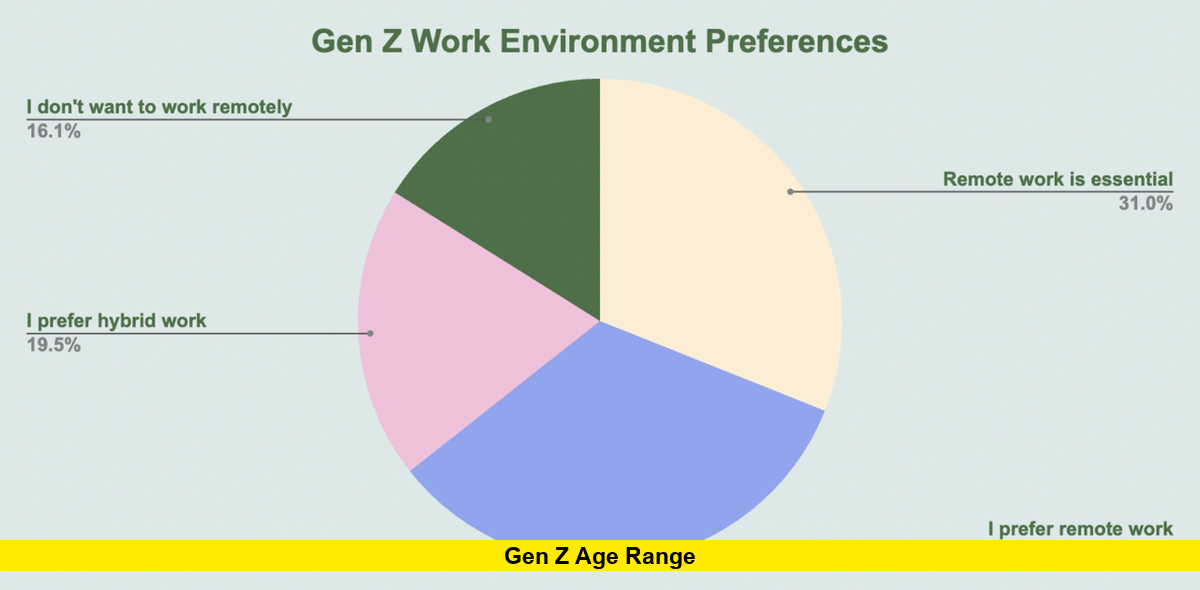
Remote and hybrid work expectations also connect directly to the generation’s digital-first upbringing.
Education Trends Across Gen Z
Education patterns vary widely due to the broad age range.
Younger Gen Z students are currently in middle school and high school, while older members are graduating college, attending graduate programs, or pursuing trade certifications.
Recent education trends linked to Gen Z include:
- Growth in alternative credentials and short-term programs
- Increased interest in technology and healthcare careers
- Rising student focus on financial outcomes and job stability
- Greater use of AI tools and digital learning platforms
The generation’s experience with remote learning during the pandemic continues to influence expectations around flexibility in education.
Technology and Digital Behavior
Gen Z is often described as the first true digital-native generation. Unlike Millennials, who witnessed the transition into digital life, Gen Z grew up with constant connectivity.
Common digital behavior patterns include:
- Social platforms as search engines
- Video-first communication
- Short-form content dominance
- Multi-platform identity building
- Early adoption of emerging tech
These habits influence marketing strategies, media consumption, and even how news spreads across the U.S.
The generational age spread explains differences: older Gen Z may use platforms differently than younger teens.
Spending Power and Consumer Impact
Gen Z’s economic influence continues to expand as more members reach adulthood. Analysts highlight several defining consumer patterns:
- Preference for value and price transparency
- High interest in resale and secondhand markets
- Strong response to brand authenticity
- Digital payment adoption
- Rapid trend cycles driven by social platforms
Older Gen Z adults now make independent financial decisions including housing, insurance, travel, and investing.
This shift explains why brands closely track the gen z age range when forecasting long-term demand.
Cultural Influence of Generation Z
Gen Z drives many cultural shifts in language, fashion, entertainment, and online behavior.
Major areas of influence include:
- Creator economy growth
- Viral trend cycles
- Mental health conversations becoming mainstream
- Workplace boundary discussions
- Identity and representation visibility
Because the age span includes both teenagers and adults, Gen Z culture evolves faster than previous generations.
Younger members often set trends, while older members translate them into business and media.
Differences Inside the Generation
One of the biggest misunderstandings about Gen Z is treating it as a single mindset. The nearly 15-year span creates distinct subgroups:
Older Gen Z (mid-20s to late-20s)
Focused on careers, finances, housing, and long-term stability.
Core Gen Z (late teens to early 20s)
Navigating college, first jobs, and identity exploration.
Younger Gen Z (early teens)
Still in school, shaping future digital and social trends.
These differences explain why messaging that works for one segment may not resonate with another.
How Gen Z Compares With Millennials and Gen Alpha
Understanding generational boundaries clarifies how Gen Z fits between Millennials and Generation Alpha.
- Millennials: Generally born 1981–1996
- Gen Z: Generally born 1997–2012
- Gen Alpha: Generally born 2013 onward
Gen Z acts as a bridge between analog childhood experiences and fully digital childhood experiences.
Older Gen Z remembers pre-streaming media and early social platforms, while younger Gen Z has never experienced a world without algorithm-driven content.
Why the Gen Z Age Range Keeps Trending
Search interest around generational definitions remains high because the age span affects multiple industries:
- Hiring and workforce planning
- Marketing segmentation
- Education policy
- Financial services
- Media strategy
As more Gen Z members age into adulthood, organizations revisit the definition to ensure accurate analysis.
The question is less about labeling and more about understanding behavior, expectations, and economic impact.
The Future Impact of Generation Z
Over the next decade, Gen Z will represent a dominant share of:
- New workforce entrants
- First-time homebuyers
- Digital content creators
- Entrepreneurs
- Parents
Their influence will shape technology adoption, workplace norms, and consumer expectations across industries.
Because the generation spans adolescence through early adulthood, its impact will continue expanding through the 2030s.
Conclusion
Understanding the gen z age range provides critical insight into how the United States is changing. From classrooms to corporate offices, Generation Z is already redefining communication, spending, and career expectations.
The broad age span explains why the generation appears complex — it includes students, creators, and professionals simultaneously shaping culture and the economy.
As more Gen Z members move into leadership roles and financial independence, the importance of accurate age definitions will only grow.
What trends are you noticing about Generation Z? Share your thoughts or check back for more updates on generational shifts shaping everyday life.