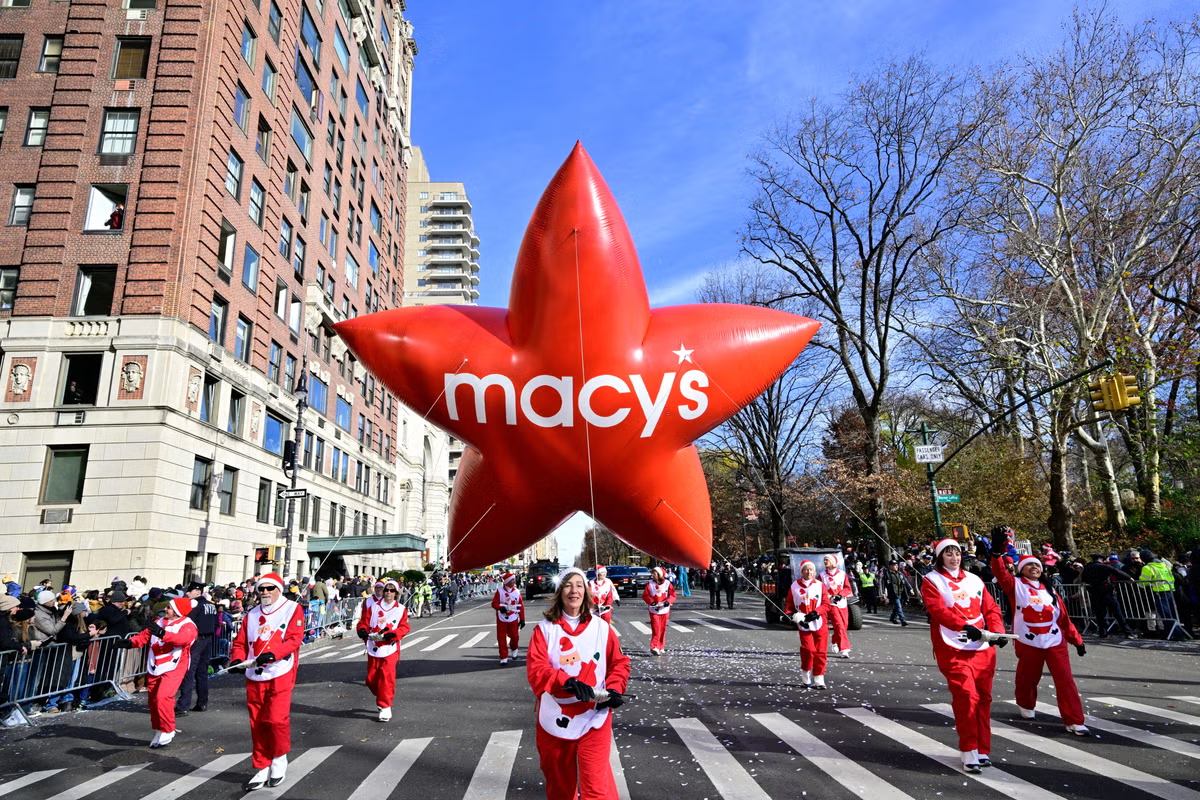
New York City’s Thanksgiving celebration could face a weather challenge as the macy thanksgiving day parade weather outlook points to possible rain and gusty winds for Thursday, November 26, 2026. With the iconic parade preparing for its 100th official edition, changing conditions across the metropolitan area could influence everything from spectator comfort to whether the giant character balloons can safely take to the streets.
The annual event is scheduled to begin at 8:30 a.m. Eastern Time, bringing floats, marching bands, performers and giant balloons through Manhattan. However, a developing coastal weather system is drawing attention to the possibility of unsettled conditions during the holiday morning.
The storm’s exact track and timing will be important in determining how much rain reaches New York City and whether winds become strong enough to affect parade operations.
A Coastal Storm Is Expected to Bring Unsettled Conditions to the Northeast
The approaching weather system is expected to move northward along the Atlantic Coast, bringing increasingly unsettled conditions to portions of the Northeast during Thanksgiving. New York City is among the locations being watched because the storm could arrive during one of the busiest outdoor events of the holiday season.
The forecast currently suggests that rain may become more widespread as Thanksgiving progresses, with winds strengthening throughout the morning and afternoon. Some forecast scenarios indicate that the parade could begin before the strongest weather arrives, while others raise concerns about wind conditions becoming problematic before the event concludes.
This difference in timing is critical. A storm that arrives later could allow most of the parade to proceed under manageable conditions. A faster-moving system could bring stronger gusts during the balloon portion of the celebration.
Meteorologists are continuing to monitor the system because even a relatively small change in its track could alter the timing of the rain and wind.
Wind Speeds Could Determine Whether Giant Balloons Fly
Rain is inconvenient for parade spectators, but wind presents a more serious operational concern.
The giant character balloons are controlled by large teams of handlers, and their movement can become difficult when winds increase. Safety regulations place limits on balloon operations, with balloons generally prohibited when sustained winds exceed 23 mph or gusts exceed 34 mph.
Forecast projections indicate that winds could approach those limits during the parade window. Some outlooks suggest gusts may increase toward the middle or end of the event, potentially creating a difficult decision for organizers.
The balloons could be flown at a lower height if conditions allow, but lowering them is not necessarily sufficient if wind speeds exceed the safety requirements.
A balloon restriction would not automatically mean the entire parade is canceled. Other elements, including marching bands, performers and floats, may still be able to continue depending on conditions and official decisions.
The final determination will depend on actual wind measurements and safety assessments rather than forecasts alone.
The Weather Could Change During the Parade
The parade is expected to run for several hours, making the timing of the storm especially important. Conditions at the beginning may differ substantially from those later in the morning.
The event is scheduled to start at 8:30 a.m. ET and continue through Manhattan. Forecasts indicate that winds could gradually increase as the coastal system moves closer. Rain timing remains a significant uncertainty, with some projections suggesting the heaviest precipitation may develop after the parade is underway or toward its conclusion.
This creates several possible scenarios for Thanksgiving morning:
- A slower storm: The parade could have a better chance of proceeding with fewer weather interruptions during its early hours.
- A faster storm: Rain and stronger winds could arrive earlier, increasing the possibility of balloon restrictions.
- Increasing wind throughout the morning: Organizers could reassess balloon operations as conditions change rather than make a decision based entirely on the opening moments.
Spectators should not assume that a balloon lineup approved at the beginning of the parade will necessarily remain unchanged throughout the event.
Why Manhattan’s Buildings Can Make Wind Conditions More Complicated
Wind forecasts for New York City can be particularly challenging because tall buildings influence how air moves through streets.
Manhattan’s urban landscape can create localized gusts and wind-channeling effects. Conditions at one point along the parade route may differ from those at another, even when the broader forecast shows similar wind speeds.
This is one reason parade safety decisions require more than simply looking at a regional forecast. Officials must consider the conditions where balloons will actually travel, including streets surrounded by high-rise buildings and areas where gusts could become unpredictable.
For balloon handlers, sudden changes in wind direction or speed can be as important as the average wind measurement.
The safety of spectators and crews remains the priority, particularly during a celebration expected to attract enormous crowds.
What Spectators Should Wear and Bring
Anyone planning to attend the parade should prepare for the possibility of wet and windy conditions. Spending several hours outdoors can become uncomfortable quickly if clothing is not suitable for the weather.
A waterproof jacket or poncho is preferable to relying on an umbrella in crowded viewing areas. Umbrellas can obstruct views and make it harder for spectators to move safely.
Recommended items include:
- Waterproof jacket or rain poncho
- Warm layers that can be adjusted
- Comfortable water-resistant footwear
- Gloves and a hat
- Portable phone charger
- Small personal bag
- Snacks and water
- Extra clothing for children
Spectators should also allow additional time for transportation and movement around Manhattan. Wet sidewalks, crowd-control barriers and possible weather-related changes can make navigating the parade route more difficult.
The Centennial Parade Is Expected to Be a Major Thanksgiving Event
This year’s parade carries additional significance because it marks the 100th official Macy’s Thanksgiving Day Parade.
Organizers are preparing a major celebration featuring an extensive lineup of inflatables, floats, marching bands, musical performances and other attractions. The milestone makes weather-related developments particularly important for families, tourists and television viewers who have been looking forward to the event.
Even if weather conditions affect the balloons, the parade may still feature a wide range of performances and entertainment. The extent of any adjustments will depend on decisions made by event organizers and public-safety officials.
For viewers at home, the television broadcast may offer the most comfortable way to follow the event if conditions in Manhattan become wet or windy.
Thanksgiving Travel Could Also Be Affected
The coastal storm may create problems beyond the parade route. Rain and strong winds could affect roads, bridges, airports and public transportation across the Northeast, particularly later on Thanksgiving Day and into Friday.
Travelers heading into New York City should keep an eye on transportation updates and allow extra time for their journeys. Wet roads may increase travel times, while coastal areas could experience flooding concerns during periods of elevated tides and strong onshore winds.
People planning to leave Manhattan after Thanksgiving gatherings should also consider the possibility of deteriorating weather later in the day. The morning parade and afternoon travel conditions may be very different.
What Happens Next?
The forecast will continue to evolve as meteorologists receive updated information about the coastal storm. The most important details to monitor are the storm’s speed, its track along the Atlantic Coast and the timing of the strongest winds.
For parade watchers, wind gusts during the actual event will be the decisive factor for balloon safety. Rain may affect comfort and visibility, but winds exceeding established safety thresholds could lead to restrictions on the parade’s largest inflatables.
The event remains scheduled for Thanksgiving morning, and weather-related concerns do not currently mean the entire celebration will be canceled.
As November 26 approaches, updated forecasts and official parade announcements will provide a clearer picture of what spectators can expect.
The 100th Macy’s Thanksgiving Day Parade is set to be a memorable holiday celebration, but the storm could add an unpredictable element—would you still attend if rain and strong winds are expected, or would you rather watch from home?