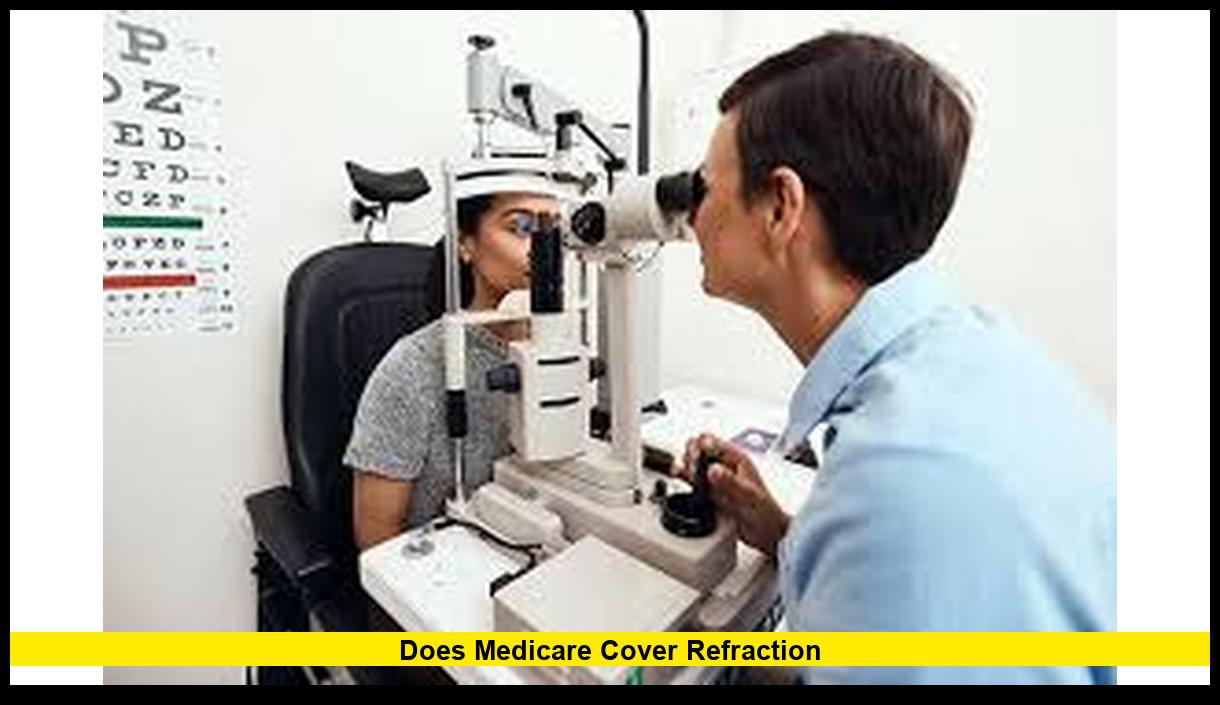
Does Medicare cover refraction is a common question among Americans who rely on Medicare for health coverage. As of today, the answer remains consistent nationwide: Original Medicare does not cover refraction as a routine vision service. This article explains exactly what refraction is, why Medicare excludes it, what eye care Medicare does cover, and the options available if you want vision benefits that include refraction.
What Refraction Means in Eye Care
Refraction is the part of an eye exam where an eye doctor determines your exact prescription for eyeglasses or contact lenses. It measures how light bends as it passes through the eye. This test identifies nearsightedness, farsightedness, astigmatism, or a combination of vision issues.
While refraction is essential for clear vision, Medicare classifies it as routine vision care rather than medical treatment.
Does Medicare Cover Refraction Under Original Medicare?
Original Medicare consists of Part A (hospital insurance) and Part B (medical insurance). Under current rules:
- Refraction is not covered by Medicare Part B
- Routine eye exams for glasses or contacts are excluded
- Beneficiaries usually pay the full cost out of pocket
Many eye doctors list refraction as a separate charge during an exam. This fee is commonly billed even when other parts of the eye exam are covered.
Why Medicare Excludes Refraction
Medicare focuses on diagnosing and treating medical conditions. Refraction is viewed as a routine service used to prescribe corrective lenses, not to diagnose or treat disease.
Because of this classification:
- Refraction is considered preventive or corrective, not medically necessary
- Coverage rules have not changed for 2025
- The exclusion applies nationwide under Original Medicare
Eye Services Medicare Does Cover
Although refraction itself is excluded, Medicare does cover several important eye-related services when they are medically necessary.
Diabetic Eye Exams
Medicare Part B covers yearly eye exams for people with diabetes. These exams screen for diabetic retinopathy and related damage. The focus is disease detection, not prescription updates.
Glaucoma Screenings
Medicare covers annual glaucoma tests for people at high risk, including:
- Individuals with diabetes
- Those with a family history of glaucoma
- Certain age and demographic groups
Cataract Surgery and Follow-Up
After cataract surgery with an intraocular lens implant, Medicare Part B covers:
- One pair of standard eyeglasses or
- One set of contact lenses
In this specific situation, refraction is covered because it is required to prescribe corrective lenses following surgery.
Medicare Advantage Plans and Refraction
Medicare Advantage, also known as Part C, is offered by private insurers approved by Medicare. These plans must cover everything Original Medicare covers, but many also include extra benefits.
Vision Benefits May Include Refraction
Many Medicare Advantage plans offer:
- Routine eye exams
- Refraction services
- Allowances for glasses or contact lenses
Coverage details vary by plan, location, and provider network. Some plans limit how often refraction is covered or require the use of specific eye care providers.
Other Options for Refraction Coverage
If you remain on Original Medicare and want refraction covered, you still have choices.
Standalone Vision Insurance
Private vision plans often cover:
- Routine eye exams
- Refraction
- Eyeglasses or contact lenses
These plans usually involve a monthly premium but can reduce out-of-pocket costs.
Medicaid (State-Based Coverage)
For individuals who qualify for both Medicare and Medicaid, vision benefits may include refraction. Coverage rules vary by state.
Paying Out of Pocket
Many beneficiaries choose to pay for refraction directly. Providers often post clear pricing, and costs are typically lower than other medical services.
Quick Coverage Breakdown
| Coverage Type | Refraction Covered? | Details |
|---|---|---|
| Original Medicare (Part A & B) | No | Routine refraction excluded |
| Medicare Advantage (Part C) | Sometimes | Many plans include vision benefits |
| Post-Cataract Surgery | Yes | Refraction included to prescribe lenses |
| Medicaid (varies by state) | Possibly | Depends on state rules |
| Standalone Vision Insurance | Yes | Covers routine vision care |
What This Means for Medicare Beneficiaries
Understanding vision coverage helps prevent unexpected bills. If refraction is important to you, Original Medicare alone may not be enough. Reviewing Medicare Advantage plans or adding vision coverage can provide more predictable costs and broader benefits.
Knowing whether Medicare covers refraction helps you plan ahead and choose the coverage that fits your vision needs. Share your thoughts below or stay tuned for more Medicare updates.