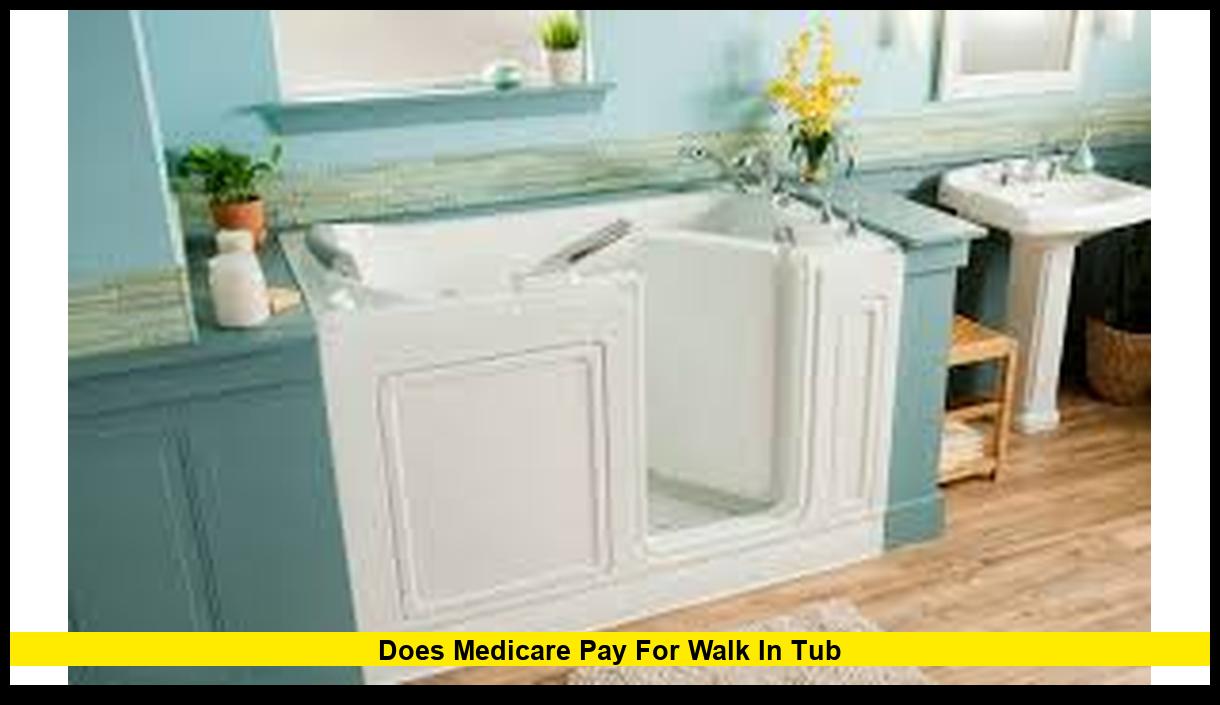
Does Medicare pay for walk in tub upgrades is one of the most common questions older Americans ask when planning for safer bathing at home. As of today, Medicare’s position on walk-in tubs is clear and consistent, and understanding the details can help you avoid costly surprises.
As of December 2025, Original Medicare generally does not pay for walk-in tubs or their installation. These products are usually classified as home modifications rather than medically necessary equipment. However, limited exceptions and alternative coverage paths do exist, depending on your specific Medicare plan and personal circumstances.
Medicare’s Current Position on Walk-In Tubs
Original Medicare is made up of Part A (hospital insurance) and Part B (medical insurance). Together, they cover medically necessary services, treatments, and certain medical equipment.
Walk-in tubs are designed to improve safety and comfort in the bathroom. While they can reduce fall risk, Medicare does not usually view them as medical equipment. Instead, they are treated as permanent home fixtures.
Because of this classification:
- Medicare typically does not cover the cost of a walk-in tub
- Installation and bathroom remodeling costs are not covered
- Routine home safety upgrades fall outside standard Medicare benefits
This policy remains unchanged as of the date of writing.
Why Walk-In Tubs Are Not Considered Covered Equipment
Medicare covers durable medical equipment only if it meets strict criteria. Covered items must be medically necessary, prescribed by a doctor, and reusable.
Walk-in tubs do not usually qualify because they are:
- Permanently installed in the home
- Not designed to be reused by multiple patients
- Considered home improvements rather than treatment devices
Even when a walk-in tub clearly improves daily safety, Medicare still classifies it differently from items like walkers, wheelchairs, or hospital beds.
Are There Any Exceptions Under Original Medicare?
In very limited and uncommon situations, Medicare reimbursement may be possible. These cases are rare and require extensive documentation.
To even be considered, all of the following must apply:
- A licensed physician provides written proof of medical necessity
- The request clearly explains why no other equipment can address the medical need
- The supplier meets Medicare enrollment requirements
- Full medical documentation is submitted for review
Even when all steps are followed, approval is not guaranteed. Most claims involving walk-in tubs are denied under Original Medicare rules.
Medicare Advantage Plans May Offer More Flexibility
Medicare Advantage, also known as Part C, is offered by private insurers approved by Medicare. These plans must cover everything Original Medicare covers, but many also include additional benefits.
Some Medicare Advantage plans offer limited coverage for home safety modifications. In certain plans, this may include partial assistance for walk-in tubs.
Key points to know:
- Coverage varies widely by plan and location
- Not all Advantage plans include home modification benefits
- Approval often depends on medical need and prior authorization
If you are enrolled in Medicare Advantage, reviewing your plan’s benefits or contacting your insurer directly is essential.
Typical Out-of-Pocket Costs for Walk-In Tubs
Since Medicare rarely pays for walk-in tubs, most homeowners pay out of pocket. Costs can vary based on size, features, and installation needs.
Common cost ranges include:
- Walk-in tub unit: $3,000 to $10,000 or more
- Installation and plumbing work: $1,000 to $20,000 or more
- Additional remodeling: varies by bathroom layout
Custom models, therapeutic features, and structural changes can increase total expenses.
Alternative Programs That May Help Pay for a Walk-In Tub
When Medicare does not cover a walk-in tub, other assistance options may help reduce the cost.
Medicaid Home-Based Programs
Some state Medicaid programs offer home and community-based services that may help pay for safety modifications, including walk-in tubs. Eligibility and benefits depend on state rules.
Veterans Benefits
Eligible veterans may qualify for grants that help cover home modifications related to mobility or disability needs.
Tax Deductions
If a walk-in tub is medically necessary and prescribed by a doctor, part of the cost may qualify as a medical expense for tax purposes.
Local and Community Assistance
Nonprofit organizations, aging agencies, and housing programs may provide grants, loans, or referrals for home safety improvements.
Important Points to Remember Before You Buy
Before purchasing a walk-in tub, consider these practical steps:
- Review your Medicare or Medicare Advantage benefits carefully
- Request written confirmation of any promised coverage
- Ask vendors about financing options and warranties
- Keep all medical documentation and receipts
Planning ahead can prevent misunderstandings and unexpected costs.
The Bottom Line for Medicare Beneficiaries
For most people, Medicare does not pay for walk-in tubs under standard coverage rules. Original Medicare rarely approves reimbursement, and Medicare Advantage coverage depends on the specific plan.
Exploring alternative assistance programs, tax options, and insurance benefits can help make a walk-in tub more affordable while improving safety and independence at home.
Have you explored walk-in tub coverage or faced challenges with Medicare? Share your experience or stay tuned for updates as coverage policies continue to evolve.