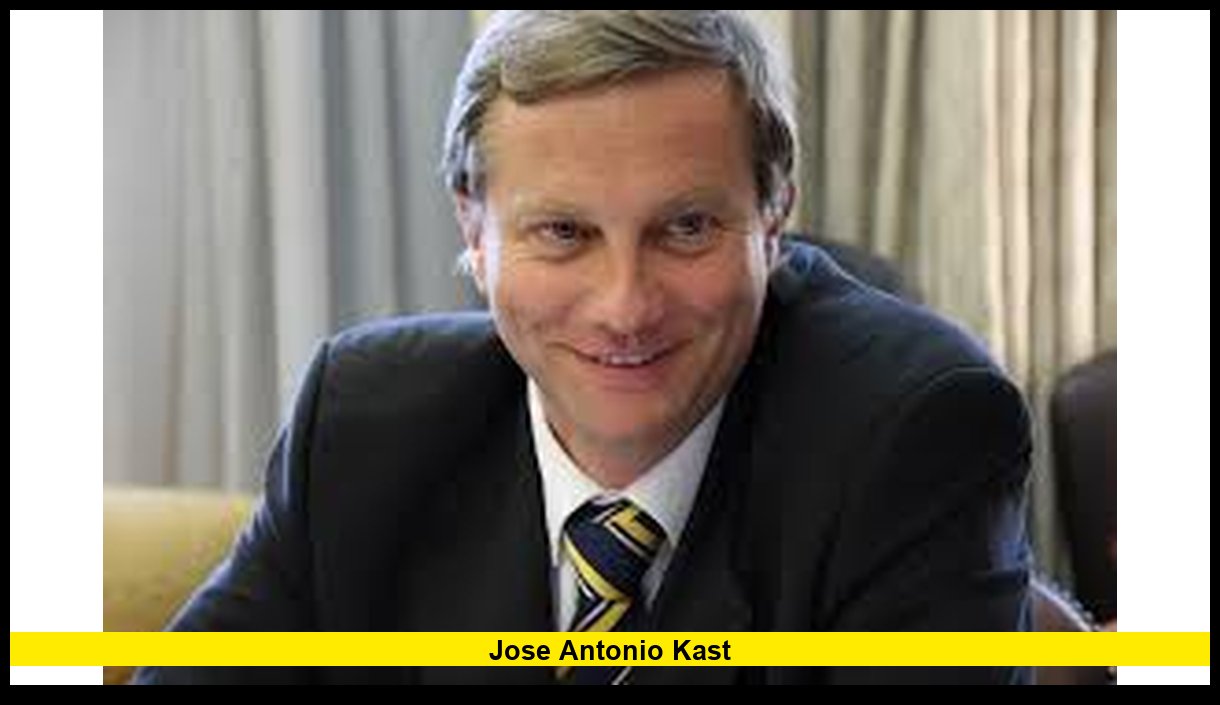
Jose Antonio Kast secured a decisive victory in Chile’s 2025 presidential election, marking a major political shift as of today’s confirmed results and signaling a turn toward conservative leadership in the country.
Chile’s electoral authorities confirmed that Kast won the runoff election with a clear majority of the national vote, defeating left-leaning candidate Jeannette Jara. The result concludes a closely watched race shaped by voter concerns over public safety, immigration, and economic stability.
A Defining Moment for Chile
The presidential runoff concluded with Jose Antonio Kast receiving approximately 58 percent of the vote, while his opponent earned about 42 percent. This outcome represents the strongest showing for a conservative candidate in Chile since the country’s return to democracy.
Voter turnout remained strong, particularly in urban and suburban regions where concerns about crime and social disorder have intensified. Many voters cited frustration with rising violence and irregular migration as central reasons for supporting Kast.
Public celebrations followed the announcement of the final results, while opposition leaders formally conceded and acknowledged the outcome.
Who Is Jose Antonio Kast
Jose Antonio Kast is a Chilean politician and the founder and leader of the Republican Party. He previously served as a member of Congress and has remained a prominent figure in national politics for more than a decade.
Born in Santiago, Kast comes from a politically active family and has built his public career around conservative values. He ran for president in both 2017 and 2021 before achieving victory in 2025.
Kast is widely known for:
- A strong law-and-order platform
- Firm opposition to illegal immigration
- Socially conservative views on family and cultural issues
- Support for reduced government spending and market-driven economic policies
His political style emphasizes direct messaging and clear ideological positions, which helped him consolidate right-leaning voters in the runoff.
Key Issues That Drove the Election
The 2025 election unfolded amid widespread public concern over national security and economic uncertainty. Jose Antonio Kast centered his campaign on addressing what he described as a security crisis affecting everyday life.
Major voter priorities included:
- Rising crime rates in major cities
- Increased migration through northern border regions
- Pressure on public services
- Slower economic growth
Kast’s messaging focused on restoring order, strengthening police authority, and enforcing border controls. His campaign repeatedly emphasized swift action during the early months of his presidency.
Campaign Strategy and Messaging
Throughout the campaign, Jose Antonio Kast maintained a disciplined message that avoided broad ideological debates and focused instead on specific policy actions.
His proposals included:
- Expanding police resources and authority
- Strengthening border enforcement and deportation procedures
- Streamlining government agencies
- Encouraging private investment and job creation
This approach helped Kast unify conservative voters and attract undecided voters concerned about stability rather than party affiliation.
Reaction Across Chile
Supporters described Kast’s victory as a necessary correction after years of political polarization. Many expressed hope that his administration would bring firmer governance and improved public safety.
Critics, however, raised concerns about civil liberties and social inclusion. Human rights groups and progressive organizations said they would closely monitor policy changes once Kast takes office.
Despite sharp differences, both sides acknowledged the legitimacy of the election and the importance of political stability during the transition period.
What Comes Next
Jose Antonio Kast is scheduled to take office on March 11, 2026, beginning a four-year presidential term. His transition team has already outlined a short-term action plan focused on security, immigration enforcement, and administrative reforms.
Key challenges ahead include:
- Navigating a divided Congress
- Balancing security measures with constitutional protections
- Managing economic expectations amid global uncertainty
While conservative parties made gains in legislative races, Kast will need negotiation and compromise to advance major reforms.
International Attention
Kast’s election has drawn international attention, particularly in the United States, where policymakers closely follow political shifts in Latin America. His victory is being viewed as part of a broader regional trend toward conservative leadership driven by voter dissatisfaction with crime and economic pressures.
Foreign governments have expressed readiness to engage with Chile’s next administration on trade, security cooperation, and regional stability.
A Pivotal Chapter Begins
As Jose Antonio Kast prepares to assume the presidency, Chile enters a new political chapter defined by strong public expectations and deep divisions. The coming months will reveal how his leadership style and policy priorities shape the nation’s direction.
What are your thoughts on this historic election and its impact on Chile’s future? Share your perspective and stay tuned for updates.