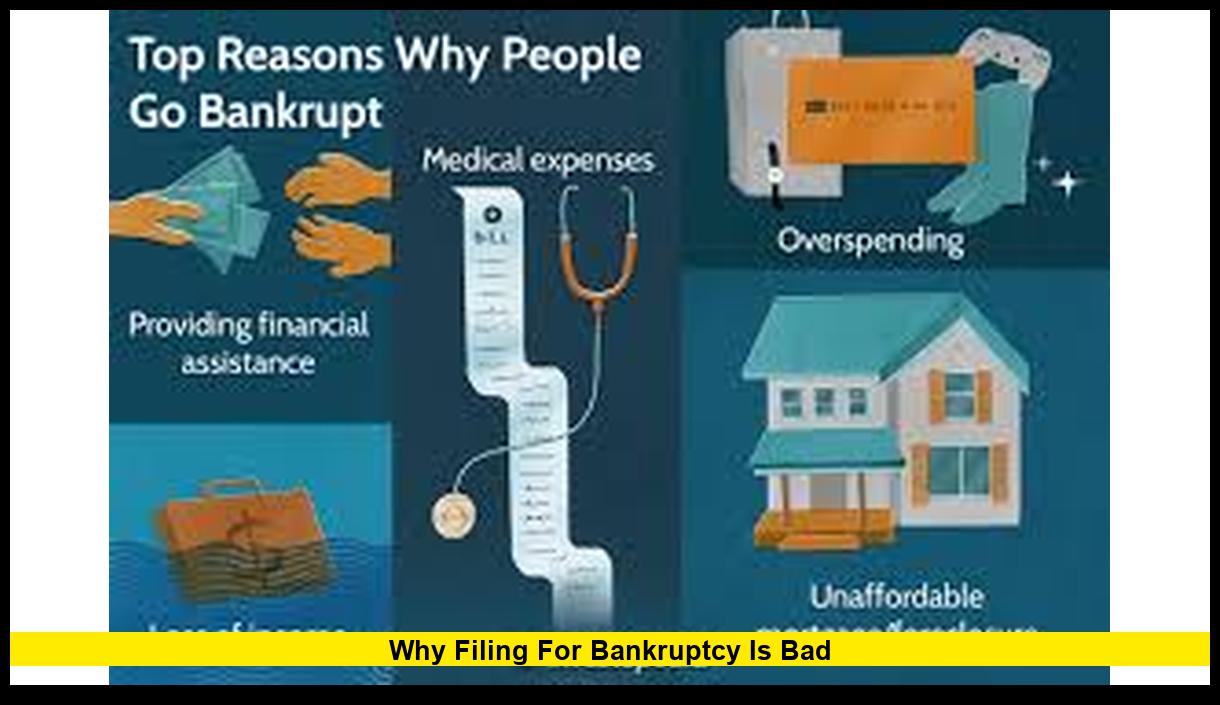
Why filing for bankruptcy is bad has become a pressing question as U.S. households navigate high interest rates, tighter credit, and persistent living costs. Current consumer trends show that bankruptcy remains a last-resort option because the consequences are immediate, long-lasting, and public. Understanding those consequences helps families make informed decisions before taking an irreversible step.
The Legal Reality Behind Bankruptcy in the U.S.
Bankruptcy is governed by federal law and handled in U.S. Bankruptcy Courts. The most common consumer filings are Chapter 7 and Chapter 13.
Chapter 7 can eliminate many unsecured debts but often requires liquidation of non-exempt assets. Chapter 13 creates a court-approved repayment plan that can last three to five years. Both options carry serious tradeoffs that do not end when the case closes.
Once a case is filed, it becomes a public record. Courts, lenders, employers, and landlords can access it through routine background checks.
Long-Term Credit Damage Is Almost Guaranteed
One of the clearest reasons why filing for bankruptcy is bad is the lasting harm to credit.
A bankruptcy mark stays on a U.S. credit report for years:
- Chapter 7 remains for up to 10 years
- Chapter 13 remains for up to 7 years
During that period, credit scores often drop sharply. Recovery is slow, even with perfect behavior afterward. Many lenders deny applications outright while the record remains visible.
Higher interest rates are common for approved borrowers. Mortgages, auto loans, and personal loans often cost thousands more over time.
Access to Housing Becomes Harder
Landlords frequently review credit reports during tenant screening. A bankruptcy filing can trigger:
- Larger security deposits
- Co-signer requirements
- Automatic application denials
Some property managers consider bankruptcy a sign of financial instability, regardless of the cause. This can limit housing choices, especially in competitive rental markets.
Homeownership also becomes harder. While certain loan programs may allow future eligibility, approvals usually require waiting periods and strict conditions.
Employment and Career Impacts Are Real
Federal law limits some forms of discrimination, but many jobs still involve credit checks. Bankruptcy can affect:
- Financial sector roles
- Government or security-sensitive positions
- Management or fiduciary jobs
Employers may view bankruptcy as a risk factor when money handling is involved. This perception can slow career advancement or reduce job opportunities.
Professional licenses in some states require disclosure of bankruptcy filings. That disclosure can trigger reviews or added scrutiny.
Loss of Assets Can Be Permanent
Chapter 7 bankruptcy may require surrendering valuable property. While exemption laws protect basic necessities, limits apply and vary by state.
Assets at risk can include:
- Vehicles with significant equity
- Savings above exemption thresholds
- Investment accounts not shielded by law
Once liquidated, those assets are gone. Bankruptcy courts do not replace them after discharge.
Chapter 13 avoids liquidation but demands consistent payments for years. Missed payments can cause the case to fail, leaving debts intact.
It Does Not Erase Every Debt
Bankruptcy does not wipe out all obligations. Several major debts usually survive:
- Most student loans
- Recent tax debts
- Child support and alimony
- Court fines and restitution
Many filers are surprised to learn that large balances remain after the case ends. Those obligations continue with the same legal force as before.
Higher Costs for Everyday Life
After bankruptcy, routine expenses often rise. Insurers and service providers use credit-based pricing in many states.
Common effects include:
- Higher auto and renter insurance premiums
- Utility deposits for electricity or gas
- Prepaid requirements for cell phone plans
These added costs strain monthly budgets during recovery.
Bankruptcy Is Public and Permanent in Records
Bankruptcy filings are public court documents. Anyone can legally access them.
This visibility affects:
- Business relationships
- Personal privacy
- Financial reputation
Even after a credit report removes the mark, court records remain searchable. That permanence surprises many first-time filers.
Emotional and Psychological Toll
Beyond finances, bankruptcy carries emotional weight. Many filers report:
- Increased stress and anxiety
- Feelings of shame or failure
- Strained family relationships
Court hearings, trustee meetings, and strict reporting rules add pressure. Recovery involves more than money.
Alternatives Often Cause Less Damage
Many Americans resolve debt without filing bankruptcy. Options depend on income, debt type, and timing.
Common alternatives include:
- Negotiated payment plans
- Debt settlement agreements
- Credit counseling programs
- Temporary hardship arrangements
These paths do not create public records or decade-long credit damage. They require discipline but preserve flexibility.
Why Timing and Permanence Matter
Bankruptcy laws are strict, and repeat filings face limits. A Chapter 7 discharge blocks another Chapter 7 discharge for eight years.
That means filing too early can remove a safety net later. Once used, the option cannot easily be reused during future crises.
This permanence is a key reason financial professionals urge caution.
The Bottom Line for U.S. Consumers
Bankruptcy exists to provide relief, but the cost is high and long-lasting. Credit damage, asset loss, reduced opportunity, and public disclosure follow most filers for years.
For many households, the downsides outweigh the short-term relief. Careful evaluation of all options remains essential before choosing a path that cannot be undone.
Have you experienced these effects or found alternatives that worked? Share your thoughts below and stay connected for more practical financial insights.