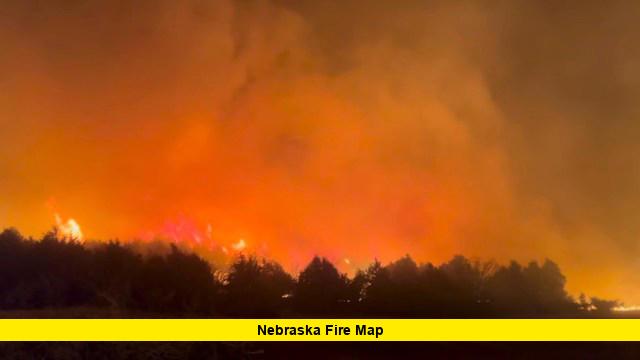
The Nebraska Fire Map is drawing urgent national attention as massive wildfires continue to reshape large portions of the state, marking one of the most destructive fire events in Nebraska history. Across western and central regions, multiple fires have scorched vast land areas, triggered evacuations, and forced emergency responses at an unprecedented scale.
As of now, the wildfire situation remains one of the most significant natural disasters impacting the Great Plains in 2026, with firefighters still working to contain hotspots and prevent further spread.
Wildfires Surge Across Nebraska: What the Map Reveals
The Nebraska Fire Map reflects a rapidly evolving crisis, with several major fires burning simultaneously across multiple counties. The largest and most destructive of them all is the Morrill Fire, which has become the biggest wildfire ever recorded in the state.
This fire alone has burned more than 640,000 acres, stretching across counties including Morrill, Garden, Keith, Arthur, and Grant. At its peak, the blaze moved with extreme speed, driven by powerful winds and dry grassland conditions.
Additional fires contributing to the crisis include:
- Cottonwood Fire – over 120,000 acres burned
- Road 203 Fire – more than 35,000 acres impacted
- Anderson Bridge Fire – approximately 17,000 acres affected
Together, these fires have pushed the total burned area to well over 750,000 acres statewide, according to the latest updates.
👉 Stay with this page for continuous updates as the situation evolves and new fire zones appear on the map.
Emergency Declarations and Statewide Response
In response to the growing wildfire threat, Nebraska officials declared a state of emergency across multiple counties. This move unlocked additional resources and allowed emergency teams to mobilize more quickly.
Fire crews from across the state, along with federal support teams, have been deployed to battle the flames. The Nebraska National Guard has also been activated, assisting with logistics, aerial firefighting, and evacuation support.
Emergency responders are focusing on:
- Protecting homes and rural communities
- Establishing firebreaks to slow spread
- Supporting evacuations in high-risk zones
- Monitoring shifting fire lines shown on the Nebraska Fire Map
Despite progress in some areas, fire officials warn that conditions can change rapidly due to wind and temperature shifts.
Communities Impacted by the Fires
The Nebraska Fire Map highlights several towns and rural areas that have been directly affected or remain under threat.
Among the most impacted communities are:
- Broadwater
- Bridgeport
- Lewellen
- Oshkosh
- Lemoyne (near Lake McConaughy)
Residents in these areas have faced evacuation alerts, heavy smoke conditions, and disruptions to daily life. In some cases, structures have been destroyed, and infrastructure such as fencing and agricultural land has been heavily damaged.
One fatality has been reported during the wildfire outbreak, underscoring the seriousness of the situation and the dangers residents face during fast-moving fires.
Why These Fires Spread So Quickly
The scale and speed of the Nebraska wildfires can be traced to a combination of environmental conditions that created a perfect storm for fire growth.
Key factors include:
1. Strong Winds
Wind gusts exceeding 50–60 mph helped push flames across long distances in a short time. In some cases, fires advanced dozens of miles in a single day.
2. Dry Vegetation
Large areas of grassland provided highly flammable fuel. Months of dry weather left vegetation vulnerable to ignition.
3. Low Humidity
Dry air conditions made it easier for fires to ignite and spread rapidly.
4. Seasonal Fire Risk
Late winter and early spring are increasingly becoming high-risk periods for wildfires in the Great Plains, especially under drought conditions.
These elements combined to create explosive fire behavior that overwhelmed initial containment efforts.
Fire Containment Progress and Current Status
Firefighters have made measurable progress in recent days, particularly on the largest blaze.
The Morrill Fire is now nearing full containment, a major milestone after days of aggressive firefighting. However, containment does not mean the fire is fully extinguished. Crews continue to monitor hot spots and reinforce containment lines.
Other fires show mixed progress:
- Cottonwood Fire: partial containment
- Road 203 Fire: still under active management
- Smaller fires: mostly contained
Even with improvements, officials stress that the Nebraska Fire Map remains active and subject to change.
Impact on Agriculture and Ranching
Nebraska is one of the leading cattle-producing states in the U.S., and the wildfires have had a significant impact on agriculture.
Key consequences include:
- Hundreds of thousands of acres of grazing land destroyed
- Disruption to feed supply for tens of thousands of cattle
- Damage to fencing, barns, and farm infrastructure
- Increased costs for ranchers relocating livestock
Estimates suggest that roughly 40,000 cattle depend on grazing areas affected by the fires. While livestock losses have been limited so far, the long-term economic impact could be severe.
Recovery of burned grasslands may take years, leaving ranchers with difficult decisions about herd size and future operations.
How the Nebraska Fire Map Is Being Used
The Nebraska Fire Map has become a critical tool for both officials and residents during the crisis.
It helps with:
- Tracking active fire perimeters
- Identifying evacuation zones
- Monitoring containment lines
- Coordinating emergency response efforts
Satellite imagery and aerial reconnaissance play a major role in updating the map in near real time. This allows authorities to respond quickly as fire conditions change.
For residents, the map provides vital information about safety and evacuation planning.
Evacuations and Public Safety Measures
As fires spread rapidly across rural areas, evacuation orders were issued in several locations.
Emergency officials have urged residents to:
- Leave immediately when evacuation orders are issued
- Avoid returning until areas are declared safe
- Stay informed through official alerts and updates
Road closures, smoke hazards, and limited visibility have made travel dangerous in some regions.
Authorities continue to emphasize that safety remains the top priority as conditions evolve.
Environmental and Long-Term Effects
The environmental impact of the Nebraska wildfires is expected to last long after the flames are extinguished.
Some of the long-term concerns include:
- Soil erosion in burned areas
- Loss of wildlife habitat
- Reduced vegetation growth in the short term
- Increased vulnerability to future fires
However, grassland ecosystems can eventually recover. In some cases, fire plays a natural role in prairie renewal, though the scale of this event presents unique challenges.
What Happens Next
Fire crews will remain on the ground for weeks, even after flames are contained. Their focus will shift toward:
- Extinguishing remaining hot spots
- Repairing containment lines
- Supporting recovery efforts in affected communities
State and federal agencies are also expected to provide assistance to farmers, ranchers, and residents dealing with losses.
The Nebraska Fire Map will continue to be updated as recovery efforts begin and conditions stabilize.
Why This Event Matters Nationwide
The Nebraska wildfires highlight a growing trend across the United States: larger, faster-moving fires in regions not traditionally associated with extreme wildfire risk.
The Great Plains are experiencing changing fire patterns, with earlier and more intense outbreaks becoming more common.
This event serves as a warning sign for:
- Emergency preparedness in rural states
- Infrastructure resilience
- Agricultural risk management
It also underscores the importance of monitoring tools like the Nebraska Fire Map in managing future disasters.
Conclusion
The Nebraska wildfire crisis remains one of the most significant natural disasters of the year, with widespread impacts across communities, agriculture, and the environment. While containment progress offers some relief, the situation is still developing, and recovery will take time.
The Nebraska Fire Map continues to serve as a vital resource for tracking the fires and understanding their impact across the state.
What are your thoughts on how states should prepare for large-scale wildfires like this? Share your perspective below and stay updated as this story develops.