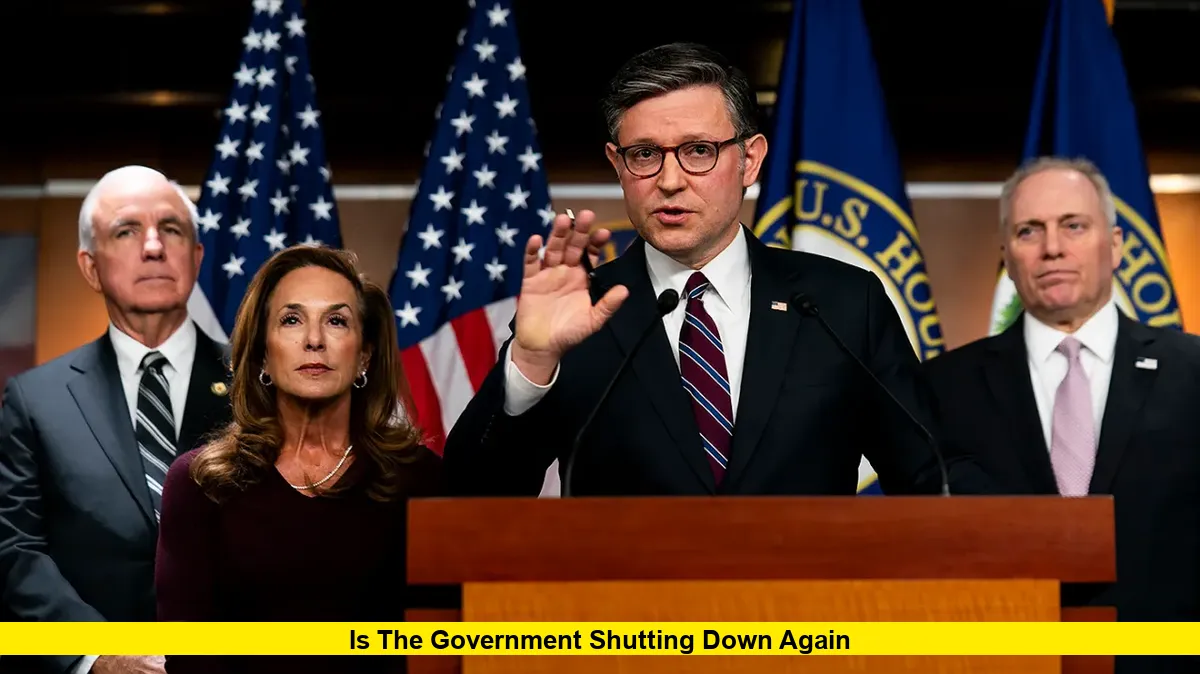
The federal government is facing another potential shutdown as funding expires at midnight on January 30, 2026. Just months after ending the longest government closure in American history, Congress finds itself racing against the clock once more to keep federal agencies operational.
This latest funding crisis affects six major spending bills that cover the vast majority of federal operations, including the Departments of Defense, Homeland Security, Treasury, State, Health and Human Services, Labor, Transportation, Housing and Urban Development, and Education.
Stay informed on the latest developments in this breaking budget crisis. Check back regularly for updates.
Why Is the Government Shutting Down Again?
The current funding battle centers on disagreements over the Department of Homeland Security bill. Senate Democrats blocked a comprehensive spending package on Thursday, voting 45-55 against advancing the legislation. They demand that DHS funding be separated from the broader package following two fatal shootings involving federal immigration enforcement officers in Minneapolis this month.
The deaths of Renee Good and Alex Pretti, a VA nurse, during immigration enforcement operations sparked intense Democratic opposition to approving DHS funding without substantial reforms to how Immigration and Customs Enforcement conducts operations.
Senate Democrats have outlined specific requirements before they will approve Homeland Security funding: ending roving patrols, requiring body cameras for agents, prohibiting agents from wearing masks, mandating warrants for certain enforcement actions, and establishing uniform codes of conduct.
The Deal Taking Shape
Late Thursday afternoon, President Trump and Senate Democrats reached an agreement to avert a prolonged shutdown for most of the federal government. The deal separates DHS funding from five other spending bills, allowing those agencies to receive funding through September 2026.
Under the agreement, the Department of Homeland Security will operate on a two-week continuing resolution through February 13. This temporary funding extension provides time for negotiations on Democratic-demanded reforms to immigration enforcement practices.
The five bills that would receive full-year funding cover critical government functions including national defense, public health programs like Head Start, the Centers for Disease Control and Prevention, air traffic control, federal education programs, and diplomatic operations.
A Shutdown Still Appears Likely
Despite the Senate deal, a partial government shutdown remains probable over the weekend. The House of Representatives is currently in recess and not scheduled to return until Monday, February 2. Any changes the Senate makes to the funding package require House approval before becoming law.
House Speaker Mike Johnson acknowledged the logistical challenges, telling reporters that bringing the House back before Monday “may not be possible.” He suggested that if a short-term shutdown occurs, lawmakers will work to reopen the government quickly.
Even a brief funding lapse would trigger shutdown procedures for affected agencies starting Monday morning, though weekend shutdowns typically have minimal immediate impact since most government offices are already closed.
What Agencies Are Affected?
Several agencies already secured full-year funding and will not be impacted by this deadline. Congress previously passed appropriations for Agriculture, Military Construction, Veterans Affairs, the Legislative Branch, Commerce, Justice, Science, Energy and Water Development, and Interior and Environment.
The agencies still operating under temporary funding that expires January 30 include:
The Department of Defense, which employs millions of service members and civilian workers. Essential military operations continue during shutdowns, but personnel work without immediate pay.
The Department of Homeland Security, including TSA airport screeners and Coast Guard personnel. Immigration enforcement operations would largely continue due to supplemental funding provided in earlier legislation.
Health and Human Services, which oversees Medicare, Medicaid, and critical public health programs. While benefit payments typically continue, some agency operations may be curtailed.
The State Department and diplomatic operations worldwide. Essential functions continue but many services face disruption.
The Treasury Department and IRS. This shutdown would occur during tax season, which began on January 27. The agency remained partially operational during the 43-day shutdown but had to scale back some operations.
Education Department programs including student loan servicing and federal education grants.
Transportation and HUD, affecting infrastructure projects and housing assistance programs.
History of the Current Crisis
This potential shutdown comes just weeks after ending the previous funding gap. From October 1 through November 12, 2025, the federal government endured its longest shutdown ever at 43 days. That closure cost the economy an estimated $11 billion in real GDP according to Congressional Budget Office projections.
When that shutdown ended in mid-November, Congress passed a continuing resolution funding most agencies only through January 30, 2026. Full-year appropriations were approved for just three of the twelve required spending bills at that time.
Since then, lawmakers passed three additional full-year funding bills, but six remain unresolved as the deadline arrives.
Impact on Federal Workers and Contractors
During a shutdown, federal employees are classified as either “essential” or “non-essential.” Essential workers continue reporting to work without pay until funding resumes. Non-essential employees are furloughed and prohibited from working.
Historically, Congress has approved back pay for all federal workers once shutdowns end, but the financial disruption creates immediate hardship for hundreds of thousands of families.
Government contractors face even more severe consequences. Unlike federal employees, contractors typically do not receive back pay for work stoppage periods. Invoice payments cease during shutdowns and may face delays even after government reopens.
Economic and Practical Consequences
Government shutdowns create ripple effects throughout the economy. Federal contractors must navigate stop-work orders, delayed payments, and uncertain project timelines. Small businesses relying on government contracts face particular vulnerability.
Social Security and Medicare benefit payments typically continue during shutdowns as mandatory spending, but card issuances and benefit verifications may be delayed. Environmental Protection Agency and Food and Drug Administration inspections face postponement.
During the October-November shutdown, Transportation Security Administration agents and air traffic controllers worked without pay, creating strain on air travel systems nationwide.
The last shutdown cost taxpayers nearly $4 billion according to Senate analysis, money spent on shutdown-related expenses that provided no public value.
Where Things Stand Now
The Senate plans to vote on the modified package that separates DHS funding from the other five bills. Democratic leaders expressed optimism about the agreement, while President Trump posted on social media that Republicans and Democrats “have come together to get the vast majority of the Government funded until September.”
However, Senate Majority Leader John Thune and other Republicans pushed for a longer continuing resolution for DHS, suggesting six weeks rather than the two-week extension Democrats sought. The shorter timeframe pressures negotiators to reach agreement quickly on immigration enforcement reforms.
Multiple senators acknowledged that even with agreement, procedural requirements and the House recess make a brief shutdown nearly inevitable. The question has shifted from whether a shutdown occurs to how long it lasts.
Looking Ahead
If Congress successfully passes this package, it would represent significant progress in completing the fiscal year 2026 budget. However, the pattern of short-term funding measures and last-minute negotiations continues.
Some lawmakers have proposed permanent solutions. The Prevent Government Shutdowns Act, introduced by a bipartisan group, would create an automatic continuing resolution at current spending levels if appropriations bills are not passed on time. This would prevent funding gaps while lawmakers continue negotiations.
The proposal includes consequences for congressional leadership if deadlines are missed, including travel restrictions and mandatory quorum calls.
Even if this immediate crisis resolves, the September 30 deadline looms as fiscal year 2026 ends. Without full-year appropriations in place, the shutdown threat returns in full force at that time.
What This Means for You
Americans should prepare for potential service disruptions if a shutdown extends beyond the weekend. National parks may close to visitors. Passport processing could face delays. Small Business Administration loan approvals would halt.
Tax refunds might be delayed if IRS operations are significantly curtailed, though the agency has not yet released detailed contingency plans for this potential shutdown.
Federal workers should review their financial situations and prepare for possible pay delays. Those with upcoming travel plans involving federal services should consider potential impacts.
The underlying political divisions that created this crisis show no signs of quick resolution. Immigration enforcement policies remain deeply contentious, and the Minneapolis shootings have intensified Democratic demands for reforms that many Republicans resist.
The deal reflects both parties’ recognition that Americans are frustrated with repeated funding crises, yet finding common ground on immigration enforcement may prove challenging even with additional negotiating time.