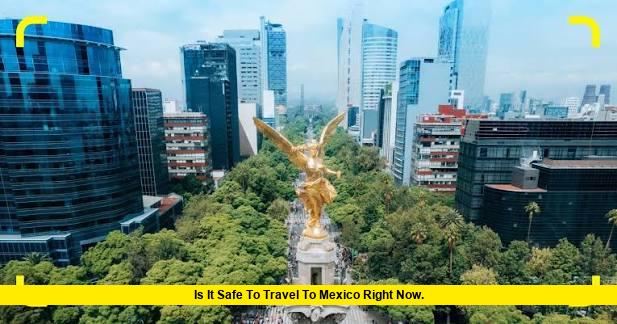
Is It Safe to Travel to Mexico Right Now? For Americans planning vacations, family visits, cruises, or business trips, the answer depends heavily on where in Mexico they are going, how they plan to travel, and the precautions they take. Mexico remains open to U.S. travelers, and many popular destinations continue welcoming tourists, but the country has significant regional security differences that travelers should understand before departure.
The U.S. Department of State currently places Mexico under Level 2: Exercise Increased Caution, warning Americans about crime, terrorism, and kidnapping. However, several Mexican states carry more serious warnings, including areas where the U.S. government advises travelers not to visit.
That means Mexico is not uniformly unsafe, but it is also not a destination where travelers should assume every city, highway, resort, or tourist area presents the same level of risk.
What Is the Current U.S. Travel Advisory for Mexico?
The U.S. State Department’s Mexico advisory is currently Level 2: Exercise Increased Caution. The advisory identifies risks associated with crime, terrorism, and kidnapping and emphasizes that some parts of Mexico present substantially greater dangers than others.
Level 2 does not mean Americans are prohibited from traveling to Mexico. It means travelers should be aware of the risks and take additional safety precautions.
The advisory also contains state-specific information that can be more important than the country’s overall rating. Some areas are listed under Level 3: Reconsider Travel, while others are designated Level 4: Do Not Travel.
Travelers should read the complete U.S. Department of State Mexico Travel Advisory before making reservations because local conditions and restrictions can change.
Understanding the Four Travel Advisory Levels
| Level | Official designation | What it means for travelers |
|---|---|---|
| Level 1 | Exercise Normal Precautions | Follow ordinary travel safety measures. |
| Level 2 | Exercise Increased Caution | Be aware of elevated risks and take additional precautions. |
| Level 3 | Reconsider Travel | Serious safety concerns may make the trip inadvisable. |
| Level 4 | Do Not Travel | The U.S. government advises Americans not to visit the destination. |
Mexico’s overall Level 2 rating should not be interpreted as a guarantee of safety in every region. Travelers must also review the advisory for the specific state, city, and route they intend to visit.
Which Parts of Mexico Are Safer for American Tourists?
Mexico’s safety situation varies considerably by state and destination. Popular tourist areas may have established hotel infrastructure, organized transportation, security personnel, and tourist services, but those protections do not eliminate crime or other risks.
Cancun and Quintana Roo
Cancun, Playa del Carmen, Tulum, Cozumel, and other destinations in Quintana Roo remain popular with American tourists. The state is under Level 2: Exercise Increased Caution.
Travelers should remain alert, especially at night, around nightlife venues, in less crowded areas, and when moving beyond established tourist zones. Shootings associated with criminal disputes have occurred in some locations and have sometimes affected innocent bystanders.
Visitors should use transportation arranged through trusted providers, stay in well-lit areas, and avoid wandering into unfamiliar neighborhoods after dark.
Los Cabos and Baja California Sur
Los Cabos, including Cabo San Lucas and San José del Cabo, is a major vacation destination for U.S. travelers. Baja California Sur is also listed under Level 2.
The resort environment can make travel easier to organize, but visitors should still take precautions with transportation, nightlife, valuables, and excursions. Travelers should verify the safety conditions for the exact location they plan to visit rather than assuming the entire peninsula has identical risks.
Puerto Vallarta and Jalisco
Puerto Vallarta remains a popular destination for American tourists, including travelers seeking beaches, restaurants, resorts, and cruise-related activities.
However, travelers should pay attention to state-level warnings and understand that risks may differ between the tourist areas, surrounding communities, and highway routes. Road travel outside established tourist zones requires additional planning.
Mexico City
Mexico City is under Level 2 guidance. It remains a major destination for business, culture, museums, restaurants, shopping, and tourism.
Visitors should take precautions against theft and robbery, particularly in crowded areas, public transportation, and locations where tourists may be distracted. Travelers should be especially cautious at night outside popular tourist districts.
Yucatán
The state of Yucatán, including Mérida, is currently listed under Level 1: Exercise Normal Precautions in the State Department advisory.
The lower advisory level does not mean that travelers should ignore ordinary safety measures. Visitors should still protect valuables, use trusted transportation, follow local laws, and monitor their surroundings.
Oaxaca
Oaxaca City, Monte Albán, Puerto Escondido, and Huatulco are popular destinations for culture, food, beaches, and nature tourism. Oaxaca is listed under Level 2, with specific regional restrictions applying to certain areas.
Travelers should check the current advisory carefully, particularly if their itinerary involves long-distance driving or travel into remote areas.
Which Mexican States Should Travelers Avoid?
Some parts of Mexico carry substantially higher travel risks. The State Department’s advisory includes several areas under Level 4: Do Not Travel, the highest warning category.
These include states such as:
- Colima
- Guerrero
- Michoacán
- Sinaloa
- Tamaulipas
- Zacatecas
These warnings reflect serious concerns involving violent crime, organized criminal activity, kidnapping, and other security threats.
Travel restrictions can also apply to particular routes, cities, and areas within states. For example, the advisory may permit certain limited travel routes while warning against travel elsewhere in the same state.
Americans should not assume that a destination is safe simply because it is a well-known city or because a hotel or tour company is operating there. The specific geographic restrictions in the advisory matter.
Travelers who have plans involving high-risk states should carefully reconsider their itineraries and check the latest official guidance before departing.
Is Cancun Safe to Visit Right Now?
Cancun remains one of Mexico’s most popular vacation destinations for Americans. The city and surrounding tourist areas continue to receive international visitors, and travel infrastructure remains available.
However, Cancun is not risk-free. Crime, theft, scams, nightlife incidents, and violence related to criminal disputes remain concerns.
Travelers visiting Cancun should:
- Stay in well-established tourist areas when possible.
- Use authorized transportation or prearranged transfers.
- Avoid walking alone in isolated areas late at night.
- Keep drinks under observation.
- Avoid carrying unnecessary cash or expensive jewelry.
- Be cautious when visiting nightlife establishments.
- Follow hotel and local security guidance.
- Avoid traveling into unfamiliar areas without researching them first.
Travelers planning Cancun trips can also read the existing coverage on the latest Cancun travel advisory for U.S. travelers for additional destination-specific information.
Is Mexico Safe for American Families?
Families can travel to Mexico, but the level of preparation should reflect the destination, the ages of the children, and the activities planned.
Parents should consider choosing accommodations with established security procedures, arranging airport transportation before arrival, and keeping children close in crowded tourist locations.
Families should also establish a simple emergency plan. Children should know how to contact their parents or guardians, where to go if separated, and whom they can approach for help.
For beach vacations, families should pay particular attention to ocean conditions, swimming safety, weather warnings, and resort rules. Not every beach has lifeguards, and dangerous currents can exist even in popular destinations.
Parents traveling with young children may also want to carry basic medications, medical information, emergency contacts, and copies of important travel documents.
Is It Safe to Drive in Mexico?
Driving in Mexico requires additional planning, particularly for travelers unfamiliar with local road conditions, traffic patterns, and highway routes.
The risk can increase when driving at night, traveling through unfamiliar rural areas, or crossing regions with elevated criminal activity. Some highways are safer and better maintained than others, and travelers should research their planned route in advance.
For Americans driving in Mexico, practical precautions include:
- Prefer toll highways when appropriate.
- Avoid unnecessary nighttime driving, especially in unfamiliar areas.
- Keep fuel levels adequate and plan stops ahead.
- Do not stop in isolated locations unless necessary.
- Keep valuables out of sight.
- Use navigation apps while also checking local travel information.
- Follow road closures and instructions from authorities.
- Avoid detours through unfamiliar areas without checking conditions.
Travelers should also confirm their vehicle insurance provides coverage in Mexico. U.S. auto insurance policies may not provide the coverage required for driving there.
If a road trip includes multiple Mexican states, travelers should review the advisory for every state along the route, not only their final destination.
Safety Tips for Americans Traveling to Mexico
Travelers can reduce some risks by planning ahead and adopting practical safety habits.
Use Trusted Transportation
Avoid accepting transportation from unknown individuals who approach you at airports, bus stations, or tourist areas. Arrange airport transfers in advance, use authorized transportation services, or choose a trusted ride-hailing option where available.
Be Careful at Night
Nighttime travel can increase exposure to certain risks, particularly in unfamiliar areas. Stay in populated, well-lit locations and avoid walking alone through isolated streets.
Protect Your Money and Documents
Carry only the cash and cards you need. Keep your passport secure and maintain a separate copy of important documents. Consider using a hotel safe for items that are not needed during daily activities.
Avoid Demonstrations and Political Protests
Demonstrations can disrupt transportation, block roads, and sometimes become unpredictable. Americans should avoid protest areas and should not participate in political demonstrations in Mexico.
Be Alert to Scams and Extortion
Travelers should be cautious about unexpected phone calls, messages, payment requests, and individuals claiming to have information about an emergency involving a family member.
If someone claims that a relative has been kidnapped, attempt to contact that relative directly and verify the situation before sending money.
Do Not Carry Packages for Strangers
Never agree to transport packages, luggage, or other items across the border for someone you do not know. Travelers should keep control of their belongings throughout the trip.
Health Risks Americans Should Consider Before Traveling
Safety concerns in Mexico are not limited to crime. Travelers should also prepare for health-related issues, including foodborne illness, water safety, mosquito-borne diseases, heat exposure, and road accidents.
The CDC recommends that travelers review destination-specific health guidance before departure. Travelers should also discuss vaccinations and any medications they may need with a healthcare professional.
The CDC’s Mexico Traveler Health Information page provides guidance about recommended vaccines, food and water precautions, insect protection, medical care, and other health considerations.
Food and Water Safety
Travelers should be cautious with food and drinking water. Tap water in Mexico generally should not be consumed unless it has been treated appropriately or confirmed safe for drinking.
Visitors should pay attention to food preparation practices and avoid food that appears improperly stored or cooked.
Medical Care and Travel Insurance
Medical care is available in many Mexican cities and tourist destinations, but costs, standards, and access can vary.
Americans should check whether their health insurance covers care in Mexico. Medicare generally does not cover routine healthcare outside the United States, and many U.S. insurance plans have limited international coverage.
Travelers should consider insurance that includes:
- Emergency medical treatment
- Hospitalization
- Medical evacuation
- Trip cancellation or interruption
- Emergency transportation
Before purchasing a policy, travelers should review exclusions and limitations, particularly those involving security events, preexisting conditions, or travel to destinations subject to government warnings.
What Should Americans Do Before Traveling to Mexico?
Preparation can make a major difference when traveling internationally.
Before departure, Americans should:
- Check the latest travel advisory for their destination and every state they plan to visit.
- Confirm passport validity and review entry requirements.
- Book accommodations with a reputable provider.
- Arrange transportation from the airport.
- Share their itinerary with a trusted family member or friend.
- Review travel insurance coverage.
- Carry emergency contact information.
- Research nearby hospitals and medical facilities.
- Keep important documents and emergency funds accessible.
- Monitor local news and official alerts.
Americans traveling abroad can also enroll in the Smart Traveler Enrollment Program (STEP), a free U.S. government service that provides travel updates and helps U.S. embassies and consulates contact travelers during emergencies.
What Should Travelers Do if an Emergency Happens in Mexico?
If a traveler encounters an emergency, the first priority should be getting to a safe location and contacting local emergency services when necessary.
Mexico’s emergency number is 911.
Travelers should also keep the contact information for the nearest U.S. embassy or consulate available. The official U.S. Embassy and Consulates in Mexico website provides information about American citizen services, security alerts, and consular assistance.
U.S. government assistance can be limited in certain areas, particularly where security conditions are severe or travel restrictions affect American personnel.
Americans should not assume that an embassy can provide immediate assistance everywhere. Having a personal emergency plan, reliable communication, travel insurance, and access to transportation can be important during a crisis.
Will Mexico Travel Advisories Change?
Travel advisories can change when security conditions improve or deteriorate. The State Department may update its warnings because of criminal activity, kidnapping risks, terrorism concerns, civil unrest, road restrictions, or other developments.
A change in the advisory’s update date does not always mean the warning level has changed. Officials may revise details while retaining the same overall designation.
Travelers planning trips in the coming weeks or months should check the advisory again shortly before departure and continue monitoring updates during their stay.
For Americans, the most important question is not simply whether Mexico is safe overall. It is whether the specific destination, route, accommodations, and planned activities are appropriate given the latest security information.
Is It Safe to Travel to Mexico Right Now? Final Takeaway
Mexico remains open to American travelers, but safety depends heavily on the destination. The current Level 2 advisory for Mexico means Americans should exercise increased caution, while several states and regions face more serious warnings that may justify avoiding travel altogether.
Popular tourist destinations continue to attract visitors, but travelers should not overlook crime, transportation risks, health concerns, or regional security differences. Checking the official advisory, planning transportation, choosing accommodations carefully, and staying informed throughout the trip can help Americans make more informed decisions.
Travelers considering Cancun can also review the latest Cancun travel safety and advisory update for additional information about the destination.
Are you planning a trip to Mexico, or have you recently visited? Share your experience and stay informed as travel safety conditions continue to evolve.